
Currently Empty: ₹0.00

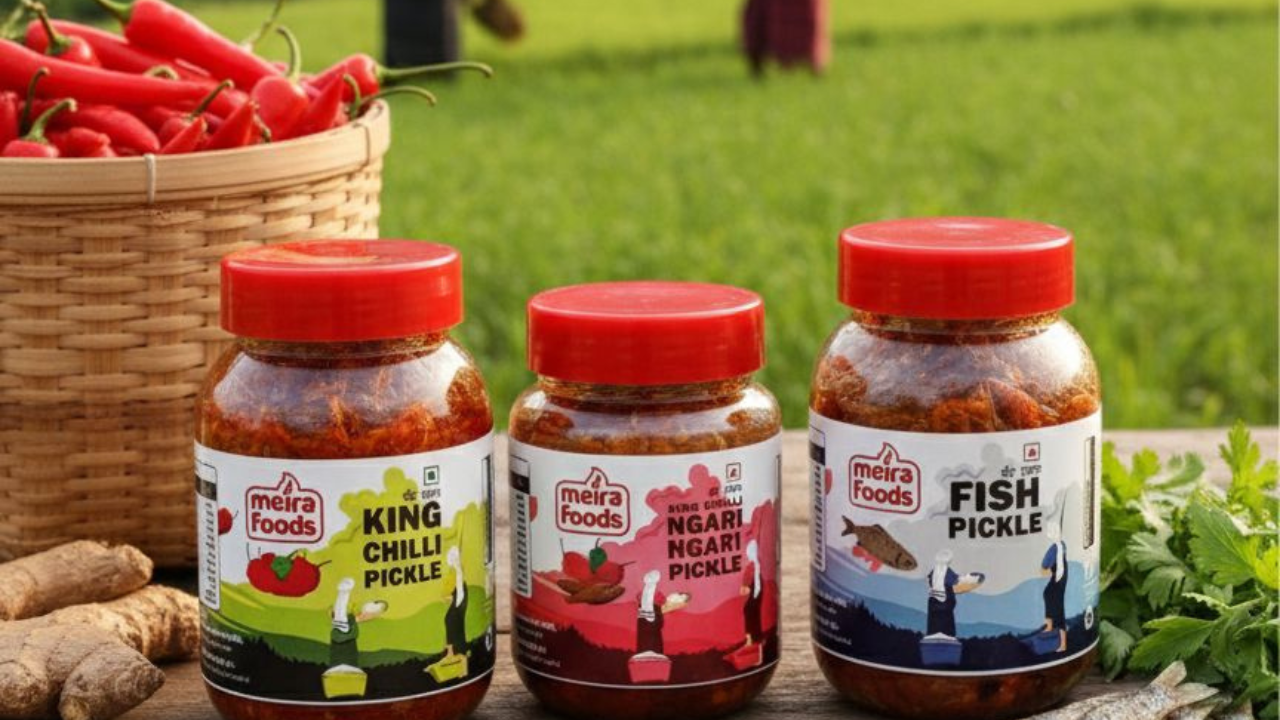
Food culture in North-East is about more than just eating. It’s a way to describe and understand the landscape.
The signature flavors of this northeastern Indian state consist of concentrated umami, fresh greens, and hot spices. At the center of this unique flavor profile lies fermented chilli pickle, which is a staple in every North-Eastern household. It is a daily necessity, rather than a condiment.
While pickles in the rest of India focus on the use of spices and oil, North East pickles focus on the absence of oil and the use of fermentation as a method of preservation. Their fermentation results in something aggressive and sharp that adds fire to dull and extra-ordinary.
So, what is the agglomerate of things that leads to this pickle’s permanence and popularity? Agricultural prosperity, old methods of preservation, and a culture centered around a love for the complexity of fermentation.
Umorok: The King Chilli of North-East Pickles
It is impossible to discuss fermented chilli pickles when discussing north-eastern foods and not begin with the primary ingredient. The primary ingredient is the King Chilli, also known as the Ghost Pepper or umorok, which is found across the hilly and fertile land of Manipur and which is also world renowned. This Chilli’s the prize is in it’s aroma, which is sweet and fruity and has a faint smokiness, but it’s heat is legendary.
Fresh King Chilli has a very short harvest season, but communities have long utilized the method of fermentation to preserve them.
Chilli fermentation does two amazing things.
First, it reduces the spoilage of perishability by extending the shelf life of a seasonal crop.
Second, it preserves the fruity-smoky peppery profile while softening the spice.
What you get is a gentler ingredient, devoid of the intense, stinging heat of a fresh pepper. The heat is warmer, and much more gentle.
In north-eastern cooking, heat must be accompanied by an earthy component. Indigenous fermentation adds that element by pairing the spicy pepper with fermented legumes.
Chilli Soyabean Pickle, Meira style, is based on Hawaijar, Manipuri’s traditional fermented soyabean.
It is a lesson in preservation in and of itself.
First, soak the soyabeans and then bring them to a boil on the stove.
Then, wrap them in a leaf, either banana or Chini Champa.
Let them rest in a warm bamboo basket for several days.
After that time, the texture will be sticky and thread-like, and the soyabeans will have a strong, tell-tale fermentation smell.
Combining those with fresh or smoked King Chilli, along with garlic and ginger, balances out the heat and the soyabeans’ deep flavor.
Lastly, it is very nutritious because it contains fermented legumes, spicy peppers, and garlic, along with soyabeans, providing a good amount of probiotics and plant-based protein for a grain based diet that a family needs to eat.
Designed with the North Eastern Meal in Mind
A North Eastern meal centers around steamed aromatic rice (Chak-hao or the local white variety). A light, water-based vegetable stew (Ooti or Kangshoi) is accompanied by roasted or boiled vegetable and herbs.
Observe what is absent. There are no processed cooking oils and no heavily ground spice. The food is intentionally neat.
Balance is important. A mound of rice expects a fermented chilli pickle. The crunchy fermented chilli pickle provides a delicious counter.
A dollop of fermented chilli pickle gives the strong flavor needed to transform a meal of plain boiled vegetables into a culinary masterpiece, and is a meal catalyst.
The Importance of Flavor
Food processing is a craft of the Meitei and tribal communities of Manipur. This craft is taught to the youth, ensuring it is a trade passed through generations.
Fermentation also denotes culinary skill. The sharp flavor of fermented fish (Ngari) and fermented soyabeans (Hawaijar) bespeak nostalgia.
When local artisans manufacture chilli soyabean pickle in the meira style, they are preserving the culinary heritage of the Manipuri people.
The pickle is suitably versatile. It can be a fast lunch option at a working lunch in the paddy fields or an accompaniment to a fancy spread during a celebratory event. There are minimal foods that can transition throughout various social events and throughout different times of the year like this.
The Modern Commercial Evolution: Tradition of Packaging
Fermented chilli pickle, which was previously only sold at home kitchens or local heks (bazaars) in North-East, is now available on the national and global e-commerce platforms.
The first brands to sell this product in a commercial space overcame the toughest obstacle, which was the standardization of the inconsistent and unpredictable fermentation process. All they had to do was control the:
Moisture content to keep the ferment stable.
Natural methods of preservation, rather than using artificial preservation.
Ingredient ratios that were identical to those in traditional recipes.
Due to this process, the premium meira soyabean pickle was created. This product was able to preserve the integrity of the dish and, therefore, bring heat and preserve the pungent nature of the ferment as it was not masked with vinegar or oil. This product offers the North-East diaspora, as well as adventurous food explorers, the opportunity to try traditional North-Eastern food.
A Taste that is Deserved
The fermented chilli pickle of North-East is also well-balanced, which is a skill that this culture possesses as it can balance extremes of most senses.
This was once a necessity, hundreds of years of craftsmanship improved it, and an innate understanding of natural fermentation conserved it.
This jar will give you a good sense of what the North East region of India has to offer.