
Currently Empty: ₹0.00

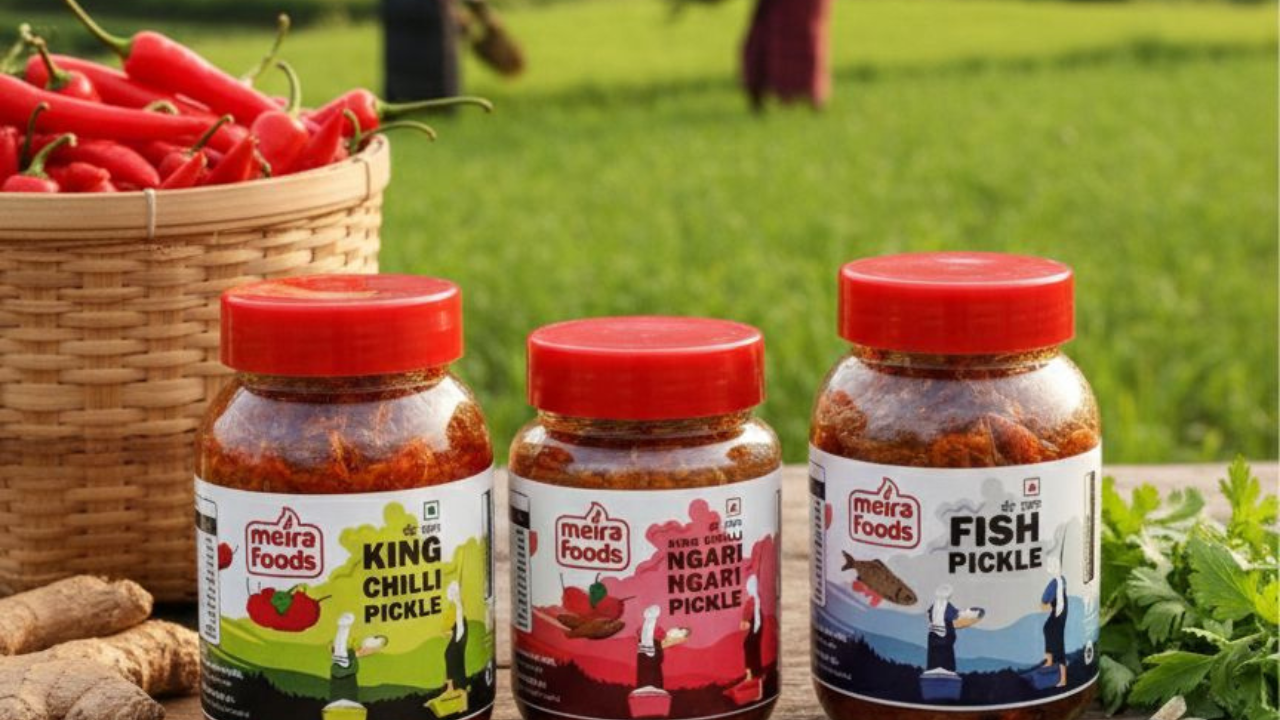
Generally, pickles are treated like a mere side dish. As people do not pay attention to the pickles after the arrival of the main dish, they just spoon it in various parts of the plate and stop thinking about it. However, those who know more about the traditional cuisine of Northeast India understand the great potential of the traditional Northeast Indian pickles. It may already have more than enough spice and sourness, which took a long time and effort to achieve. Thus, it can be said that it is not easy to prepare dishes without using products such as Meira Foods pickles.
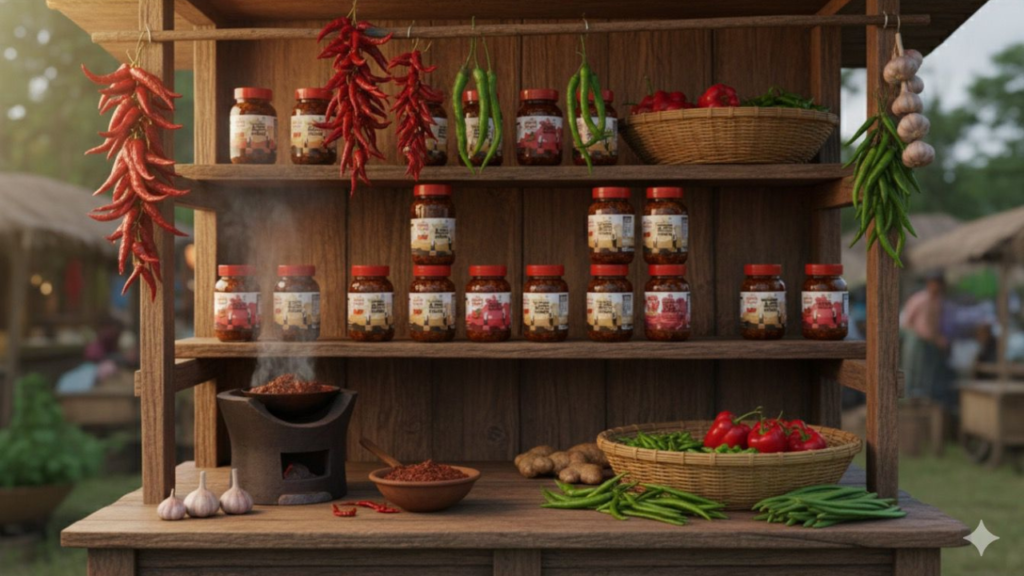
1. Smoked Pork with Fermented Chilli Pickle Base
This dish borrows heavily from traditional Naga and Manipuri cooking, where fermented flavors and smoked meat are practically inseparable from everyday food culture. Instead of building the curry base from raw chilies, garlic, and ginger the usual way, this recipe uses a spoonful of fermented chilli pickle stirred directly into the cooking oil early on, letting it melt into the base before the meat goes in.
Start by rendering a bit of fat from the pork itself in a heavy-bottomed pan, then add a generous tablespoon of the pickle once the oil is hot. Let it sizzle for a minute so the fermented flavors bloom properly before adding sliced onions and a bit of ginger. Once the onions soften, add smoked pork pieces and let everything cook together on low heat, allowing the pickle’s tang and heat to slowly work into the meat rather than rushing it on high flame.
What makes this work so well is that fermented pickle already carries acidity and salt in balance, so you barely need additional seasoning beyond a bit of black sesame or fermented soybean if you have it on hand. The result is a curry that tastes like it took hours of layering flavors, when really the pickle did most of that work for you already. Traditional Northeast households have relied on this shortcut for generations, mostly because good fermented pickle was always sitting in the kitchen anyway, ready to be pulled into whatever was cooking that day.
Serve this with plain steamed rice, since the dish itself carries enough intensity that you don’t want competing flavors distracting from it. A side of boiled greens works well too, offering a break between bites of the rich, smoky pork.
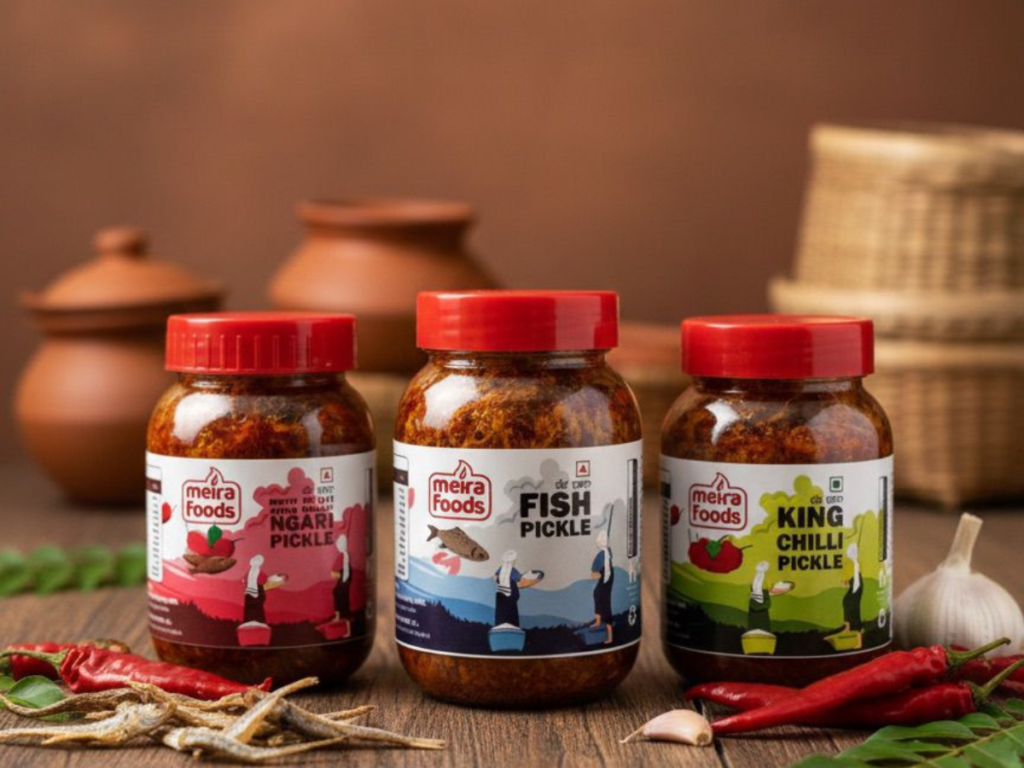
2. Bamboo Shoot and Chilli Pickle Stir-Fry
Bamboo shoot has a distinct, slightly sour flavor on its own, which makes it an unusually good match for pickle-based cooking, since the pickle’s acidity complements rather than competes with the bamboo’s natural tang. This stir-fry works as a quick side dish or even a light main course when paired with rice, and it comes together fast enough for a weeknight dinner without sacrificing depth of flavor.
Slice fermented bamboo shoot thin and set it aside. In a wok or wide pan, heat a small amount of mustard oil until it starts to smoke slightly, then add a spoonful of a good north east chilli pickle, letting the oil absorb its color and heat before adding the bamboo shoot directly. Toss everything together on high heat for a few minutes, adding a pinch of salt only if needed, since the pickle usually brings enough on its own.
A few crushed dried chilies on top at the end add extra visual heat and a slightly different texture, but they’re optional depending on how spicy you want the final dish. This stir-fry works particularly well as an accompaniment to a heavier, meat-based main course, since its sharp, tangy flavor cuts through richer dishes the same way a good side pickle would, except here it’s cooked into an actual dish rather than served raw on the side.
This recipe is also a good entry point for anyone new to cooking with genuinely spicy pickles as an ingredient rather than a condiment, since the quantity used is small enough that the heat stays manageable while still delivering real flavor impact.
3. Fish Curry Built Around Manipuri Fish Pickle
Fish preparation in Manipuri cuisine has its own distinct character, often leaning into fermented and pickled preparations that differ quite a bit from fish curries found elsewhere in India. Using an existing fish pickle as the base for a fresh fish curry might sound unusual if you haven’t tried it before, but it’s actually a clever way to build a rich, complex curry without needing a long list of separate spices.
Start by heating oil in a pan and adding sliced onions until they turn soft and slightly golden. Then stir in a generous portion of fish pickle style, letting it melt into the onions completely before adding tomatoes and a touch of turmeric. The pickle brings its own oil, spice blend, and fermented fish flavor, which means the curry base develops depth almost immediately, without needing hours of slow cooking to build flavor from raw ingredients.
Once the base thickens slightly, add fresh fish pieces — a firm river fish works particularly well here — and let them simmer gently until cooked through. Because the pickle already carries strong, well-developed flavor, you’ll likely need very little additional salt or spice, though a squeeze of fresh lime at the end brightens everything up nicely and balances the richness from the pickle’s oil content.
This curry pairs beautifully with plain rice, and it’s the kind of dish that tastes even better the next day once the flavors have had more time to settle together. It’s also a great way to introduce people unfamiliar with fermented fish pickle to the flavor in a gentler, more approachable form, since cooking it into a curry mellows some of the pickle’s intensity compared to eating it raw straight from the jar.
Why Cooking With Pickles Works So Well
All three of these recipes share a common thread — they treat pickle not as an afterthought, but as a genuine flavor foundation that replaces a chunk of the usual spice-building process most curries and stir-fries require. This isn’t really a shortcut in the lazy sense; it’s closer to how traditional Northeast Indian households have always approached cooking, where fermented and pickled ingredients sitting in the kitchen naturally found their way into main dishes rather than staying confined to a small side bowl.
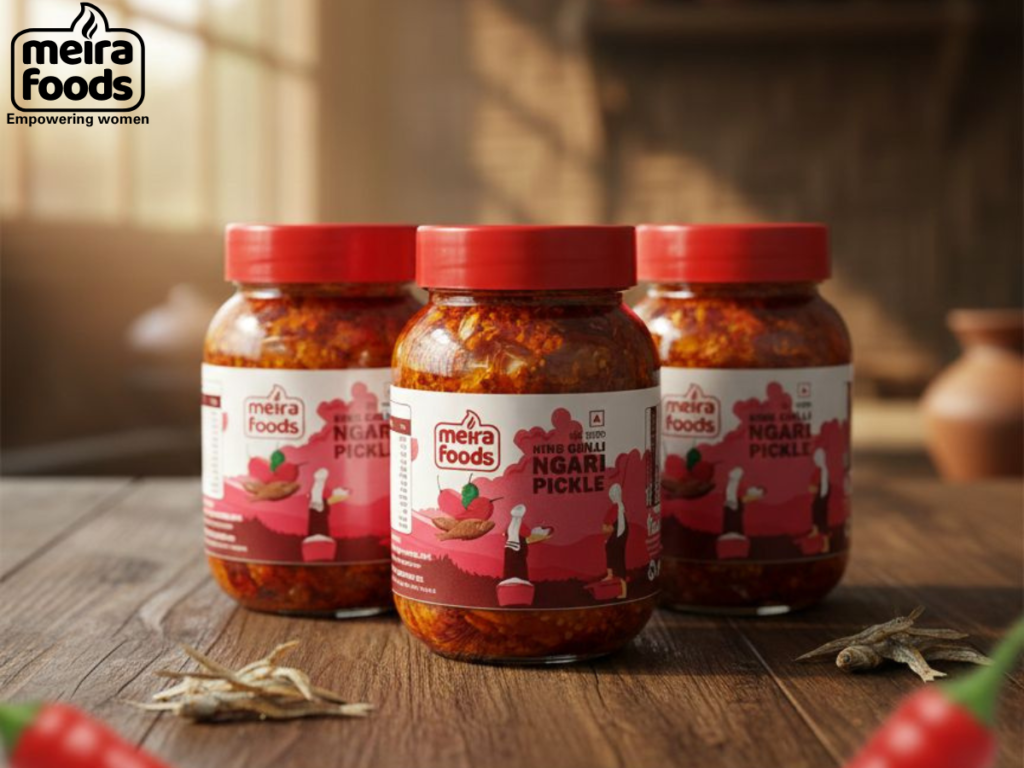
Part of why this works so consistently well with Meira Foods pickles specifically comes down to how closely they stick to traditional preparation methods, avoiding shortcuts that might strip out the complexity needed to actually carry a dish. A pickle made purely for shelf stability, loaded with preservatives and stripped of real fermentation, won’t behave the same way when cooked into a curry base — it just won’t have the depth to build on.
Final Thoughts
If you’ve only ever eaten pickle as a small side addition to your meal, trying it as an actual cooking ingredient might change how you think about what’s sitting in that jar. Whether it’s smoked pork simmered in a fermented chili base, a quick bamboo shoot stir-fry, or a fish curry built entirely around an existing fish pickle, these three recipes show just how much flavor and effort a good traditional pickle can save you in the kitchen, while still delivering the kind of deep, layered taste that usually takes hours to build from scratch.