
Currently Empty: ₹0.00

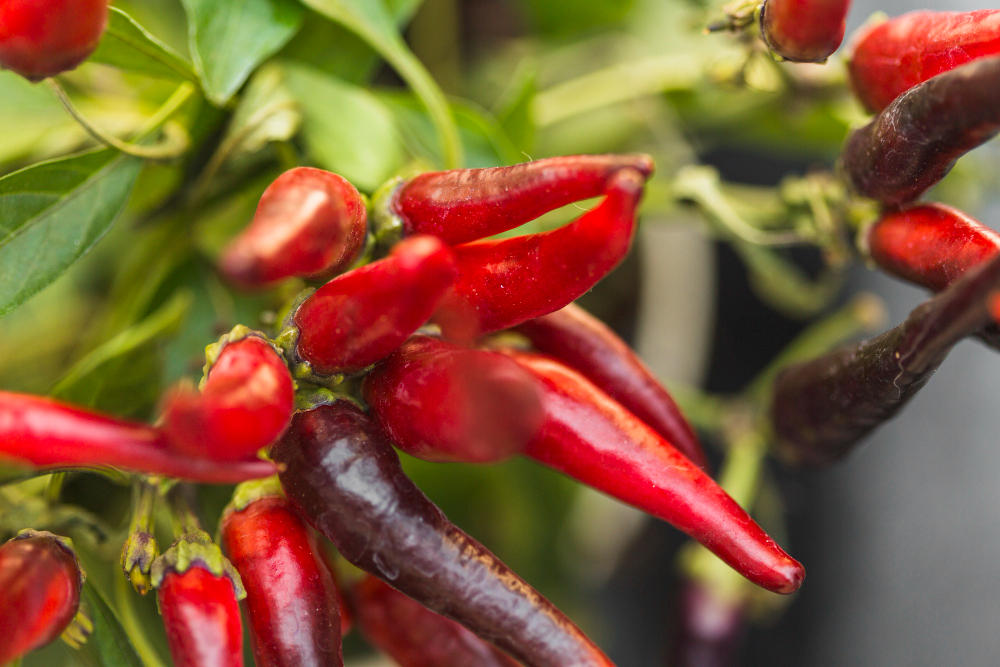
If you have ever sampled a normal green chilli, thinking that you were prepared, and then out of nowhere somebody pushes a king chilli in front of you, you can understand exactly how different the two seem to be. The two are both peppers, yes, but the two are not to be equated to each other because comparing two of them would be like comparing bicycles and rockets. One requires effort while the other will have you reflecting on your last choice for a long time.
What was the purpose of the Scoville scale to begin with?
Before getting into numbers, it is important to understand what the Scoville scale is supposed to do. There are essentially two things to remember about this scale. 1912 marked the year that the pharmacist Wilbur Scoville first developed this scale for the measurement of capsaicin present in a given chilli pepper. Capsaicin is the chemical substance that is responsible for the burning sensation we experience from eating chilli. Wilbur Scoville established the degree of pungency by diluting the chilli extract in sugar water until the human taster could no longer detect heat. Today, more accurate methods are being used for measuring the heat in chill pepper. Nonetheless, the principle is pretty much the same, i.e., the more Scoville units there are, the more capsaicin content there must be. Additionally, the higher the rating on the scale, the hotter the pepper would be.
How Regular Chillies Are Comprised in Terms of Scoville Units
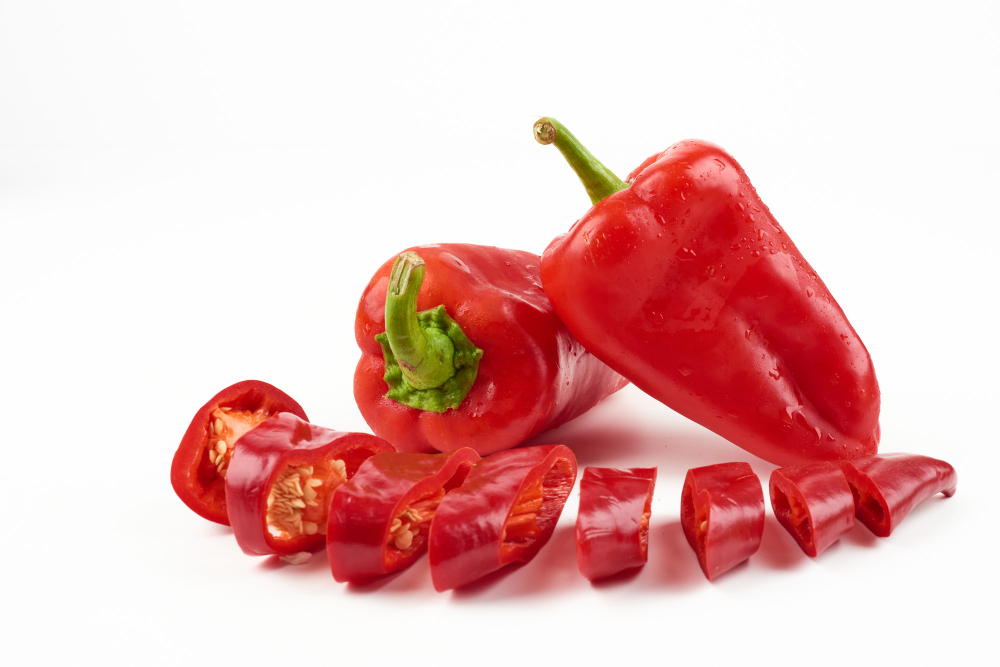
Most of the chillies that Indian people use daily in their cooking, i.e., red and green varieties of chillies that have become very famous in Indian cuisine, fall into the category of 15000-50000 S.U. of Scoville. This includes a wide variety of all sorts of regional chillies, from the sweet Kashmiri chillies used primarily because of their colour to the hot chillies used in South Indian cooking which add a high level of heat to the dishes prepared.
It is because these chillies are so flexible that a large amount can be used in different recipes without overpowering the taste of the dish. You can put a lot of dry red chillies into the base of the curry, or you can chop several green chillies into your stir-fry dish in order to make it hot in flavour.
Where King Chilli Comes In
Now this is where I can get carried away! King chilli, also known as bhut jolokia – usually referred to as the ‘ghost pepper’ – originates from Northeast India, in states such as Nagaland, Assam, and Manipur. This chilli belongs to the group of extreme heat and doesn’t come close to a standard chilli in terms of unpredictability. Depending on the nature of the plant, king chilli can produce heat ranging from about 800,000 to 1 million Scoville units.
The Bhut Jolokia had maintained the Guinness World Record for the hottest chilli pepper in the world for many years. Nevertheless, it remains one of the most acknowledged and respected superhot peppers in the world. Moreover, it represents a traditional cultural use of chilli peppers in Northeast India.
Culinary Applications: The Reasons Why They Aren’t Used the Same Way in Cooking
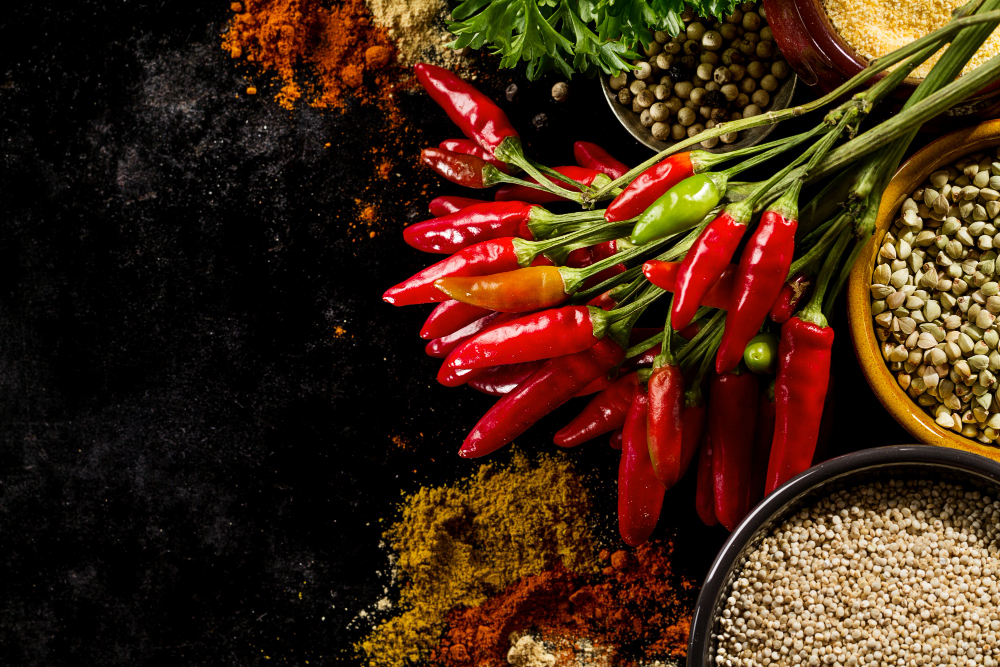
This great variation in spiciness determination leads to the change in usage of these two types of chillies in food prep. Standard chillies are regarded as versatile ones that can be applied in a great number of dishes in appropriate proportions without fear of spoiling the outcome. They can be chopped, fried and incorporated in purees of sauces that will become the taste basis of a wide range of culinary masterpieces.
Speaking of king chillies, they are used quite differently. Due to being very spicy, king chillies aren’t put into the dishes the way other types of chilli are utilised. They are usually used in small quantities, either in pieces or as seeds, to add spiciness to the food but not to make it unbearably spicy. In addition, king chillies are mostly used in the cooking of some traditional dishes in Northeast India.
A favourite way people can appreciate the flavour of king chilli without suffering from its heat is through pickling. A good king chilli pickle brings out the flavour profile of the chilli whereby it maintains balance with oil, salt, and spices so that it can be consumed in moderation together with each spoonful of rice or dal. The technique of pickling is smart in that it allows the infusion of heat and added taste slowly throughout the meal rather than just consuming the hot pepper.
Working with King Chilli
It is important to note a few safety tips when handling king chillies, especially if you’ve never worked with king chillies before. Use gloves when dealing with king chillies, because capsaicin can cause skin irritation that can last for hours, especially if you accidentally touch your eyes or any other sensitive area. Good ventilation is also required when handling king chillies, because the strong smell of king chillies can make the surrounding air uncomfortable to breathe in.
One of the greatest things about cooking with king chillies is that it can be done on a low-key basis. It is always best to take it slow when using king chillies because this chilli can be extremely hot, and even professional chefs find it hard to add the spice correctly.
This Difference Is Not Just for Fun
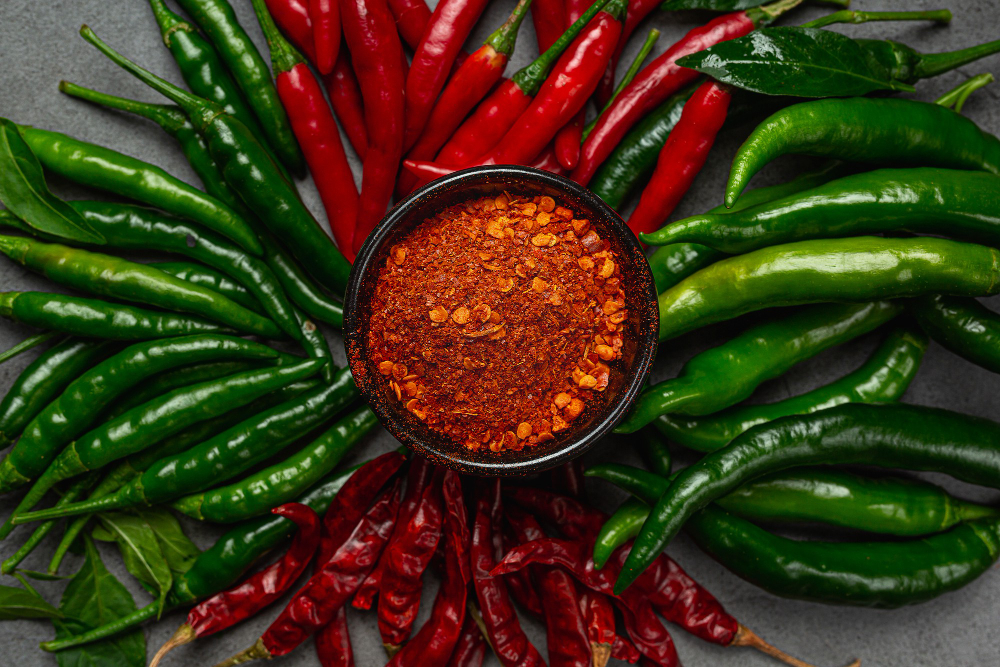
Knowing the difference between king chillies and ordinary chillies is not just a matter of trivia. It actually changes how one approaches cooking, as well as portioning and food pairing. While you can be creative with regular chillies, king chillies are treated as very heat-dense spices that need to be used carefully.
With how different King Chilli products are marketed, such as sauces and spices, being aware of the difference becomes even more important. King Chilli products are marketed as very special-use products in small quantities, unlike ordinary chilli-based products that are positioned as everyday items.
Conclusion
The dissimilarity between common chilli and king chilli is more a case of type than simply measure. Common chillies provide enjoyable manageable heat for everyday meals, while king chilli is meant for few people who love intense heat. Whether you get a spoonful of king chilli on your plate or it is your first time experiencing bhut jolokia, it is important to treat king chilli with the seriousness it deserves.