
Currently Empty: ₹0.00

A Beginner’s Guide to Northeast Indian Pickles
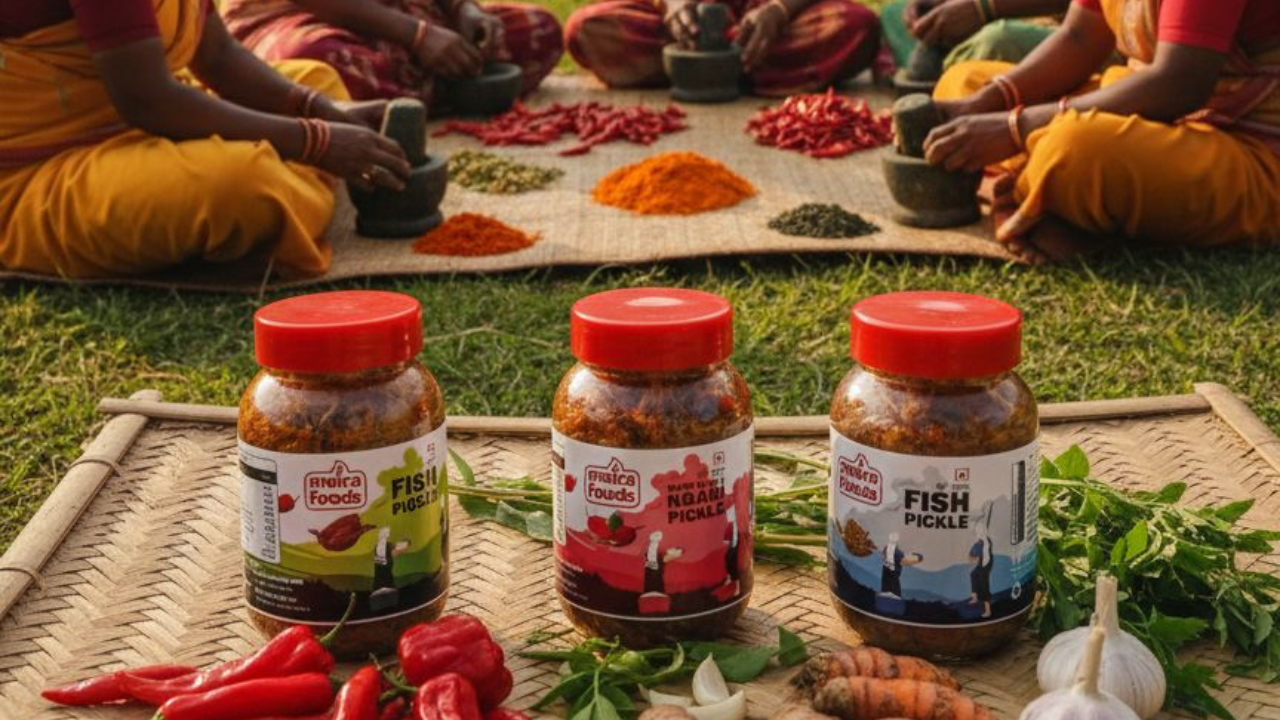
Northeast Indian pickles use fermentation instead of oil or vinegar and include ingredients such as bhut jolokia (king chilli), mustard oil, fish, and soybean. Manipur has a tradition of using slow fermentation which leads to complex flavors. This resource describes the history of pickling and its food traditions in the region, and provides tips on how to incorporate pickling into your daily meals.
If you ask ten people from Northeast India about the taste of a “real” pickle, then you are likely to get ten different answers. This is partly because there are eight states in the region and different climates influence the crops and preservation methods used in the different states. In the absence of reliably sun-dried methods, and with old world technology in the absence of refrigeration, the people of the region cultivated the practice of fermentation.
In Manipur, not only are most of the pickles made through fermentation, but wholehearted food systems rely on fermentation. Ngari (fermented fish) and hawaijar (fermented soybean) are prime examples. Pickles of this tradition tend to be of a higher quality and more flavorful than quick-pickled condiments made with oil.
The guide explains the fundamentals of Manipuri pickles and the use of chillies in the region. It also explains the essential role of fermentation and how to start adding these pickles to the everyday diet.
What Makes Authentic Manipuri Pickles Different From Other Indian Pickles?
Most North and West India pickles rely on a lot of oil and sun-drying to become shelf stable. Manipur’s method is unique in a few ways.
For one, fermentation is used to replace oil. Chili and vegetables are broken down by bacteria that produce lactic acid which protects the pickle from spoiling, and thus, does not need heavy oil content. Fermentation also eliminates the need for vinegar to produce sour pickles. This produces a lot more complex flavors which continue to develop the longer it’s fermented.
Local ingredients are used over imported spices. The focus of most recipes is undoubtedly the chillies (primarily Naga chillies and sometimes Bhut Jolokia) combined with garlic and mustard oil.
A good Manipuri chilli pickle takes a week or two to be ready, but some households like to let their pickles age even longer. The result is a pickle that is savory, tangy and slightly pungent yet still keeps the heat slowly building over time.
How Diverse Are Northeast India’s Chilli Pickle Varieties?
While Manipur has famous fermented pickles, the rest of Northeast India has its own unique methods of chilli pickling.
Smoked and fermented chilli pickles are popular in Nagaland and are often combined with fermented bamboo shoot for extra depth of sour and earthy flavors.
Assam prefers raw, mustard oil, chilli pickles.
Sikkim and Arunachal Pradesh frequently employ dal khursani to make their pickles. Unlike other chillies, dal khursani is small, round, and has a citrus edge. Dalle khursani accounts for a more vibrant and sharp flavor to pickles.
In all of the chilli pickle styles found in the region, bhut jolokia or king chilli is found. This used to be the world’s hottest chilli according to Guinness Book of World Records and measures above 1,000,000 Scoville Heat Units. Unlike other north Indian chilli pickles, king chilli pickles have a wonderful smoky fragrance when they are well made and are not about just pain and heat.
What Do Meira Foods’ Pickles Reveal About Regional Manipuri Flavors?
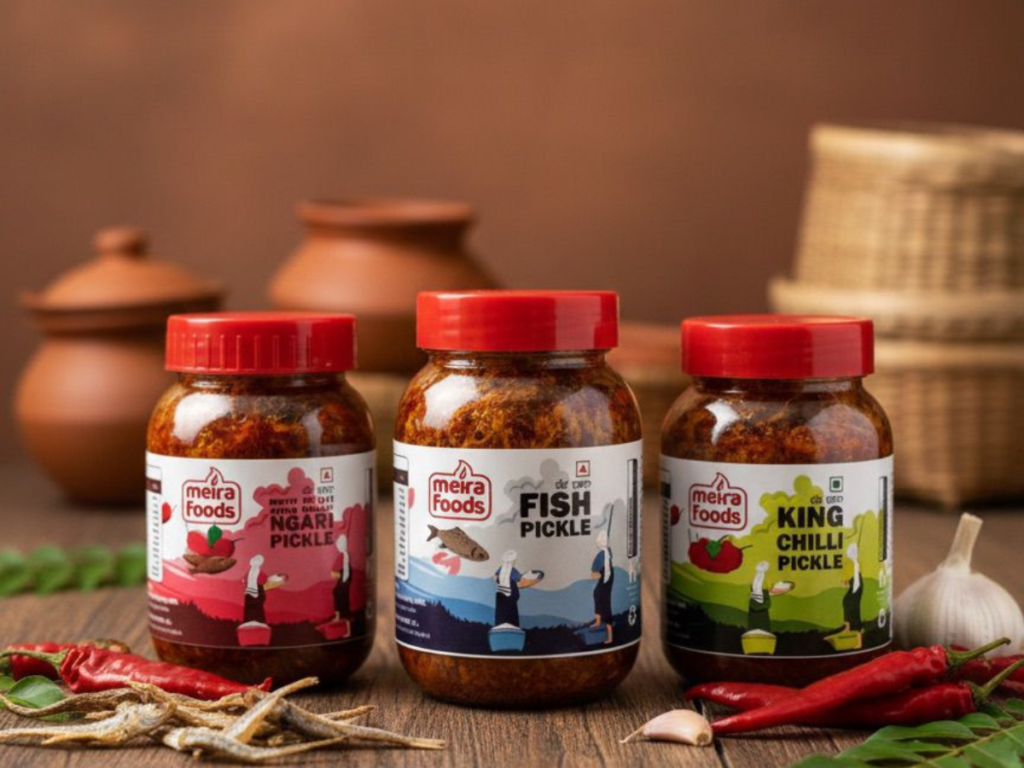
Here are some products to showcase a small portion of Manipuri kitchens.
Our King Chilli Pickle incorporates bhut jolokia and is prepared in a traditional fermented way, so if you like spice, this is probably the pickle for you. For a less spicy pickle, we have our Fish Pickle that is made with fermented fish, which has umami and savory flavors that pair well with rice. Lastly, our Soyabean Pickle, made with hawaijar, has more of a funk behind the pickle that is more complex, and less about spice.
Chak Hao, or Manipuri Black Rice, is a type of rice that has a natural dark color and is a great option for more festive meals. A traditional way to enjoy these two ingredients is by pairing a spoonful of fermented pickle alongside a bowl of Chak Hao.
Why Is Fermentation Central to Northeast Indian Food Preservation?
Fermented food is edible in a new way, since the fermentation process completely alters the biochemistry of food.
Lactic acid-producing bacteria consume the sugars in chillies and vegetables during the fermentation process. This provides the following positive effects:
- Naturally long lasting food preservation, without the use of food preservatives
- Develops complex tangy and umami flavors that may not be present in oil-based or raw pickles
- May aid in the digestion of fiber containing foods, since fermentation begins the breaking down of the fiber during the digestive process
Many Manipuris describe the flavor of fermented pickles as being more “rounded” than quickly made unfermented pickles because of the slow and steady flavor maturation.
How Can You Add Northeast Indian Pickles to Your Daily Diet?
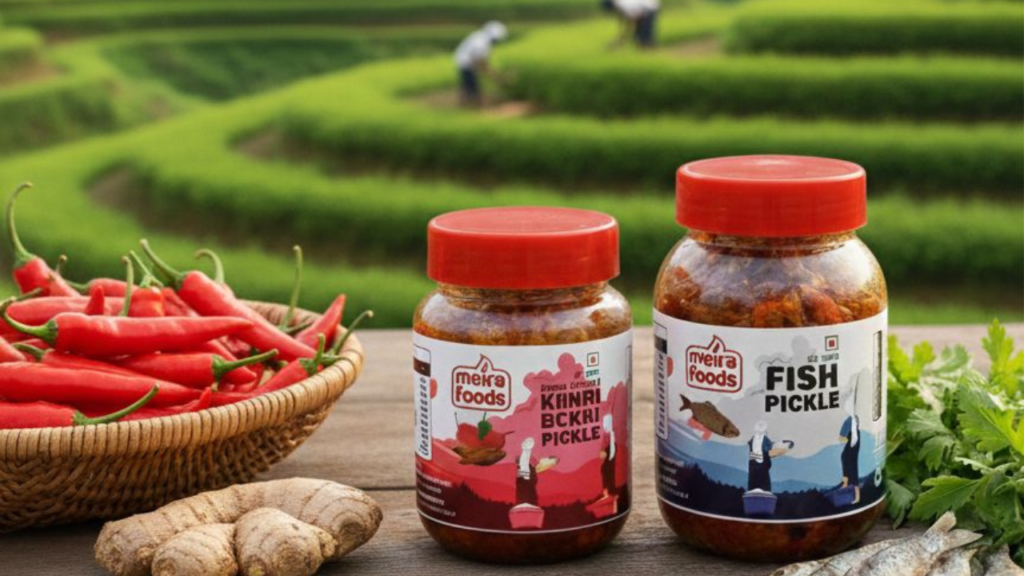
They’re perfect for more than just condiment sauce and have potential to transform your whole meal. Here’s how to get started:
- Mix a little bit of king chili pickle with some steamed dal and rice. The pickle adds flavor without much heat.
- For quick umami in an already made curry, throw in a serving of fish pickle.
- The soyabean pickle balances the richness of dishes in a grain bowl or roasted vegetables with its tanginess.
- Enjoy with a serving of black Chak Hao rice for a traditional Manipuri food meal.
Fermenting these pickles retains more flavor in small amounts, making it optimal as a starter for a meal, while Indian pickles that are usually more flavorful with larger amounts of oil might be more pickle than you want to eat at once.
Bringing Manipur’s Pickle Traditions to Your Table
Northeast Indian and Manipuri pickles have unique methods of preservation and flavor. Instead of using oil and overcooking to mask flavors, ingredients such as chili, fish, and soybeans are left to ferment and develop their tastes over time. It is not unreasonable to think of fish or soybean pickles as a transition to an even more intense pickle, such as king chili pickle. As the trade of the traditional Manipuri household is to eat of a variety prepared food, pairing these pickles with steamed Chak Hao Black Rice will complete any meal.