
Currently Empty: ₹0.00

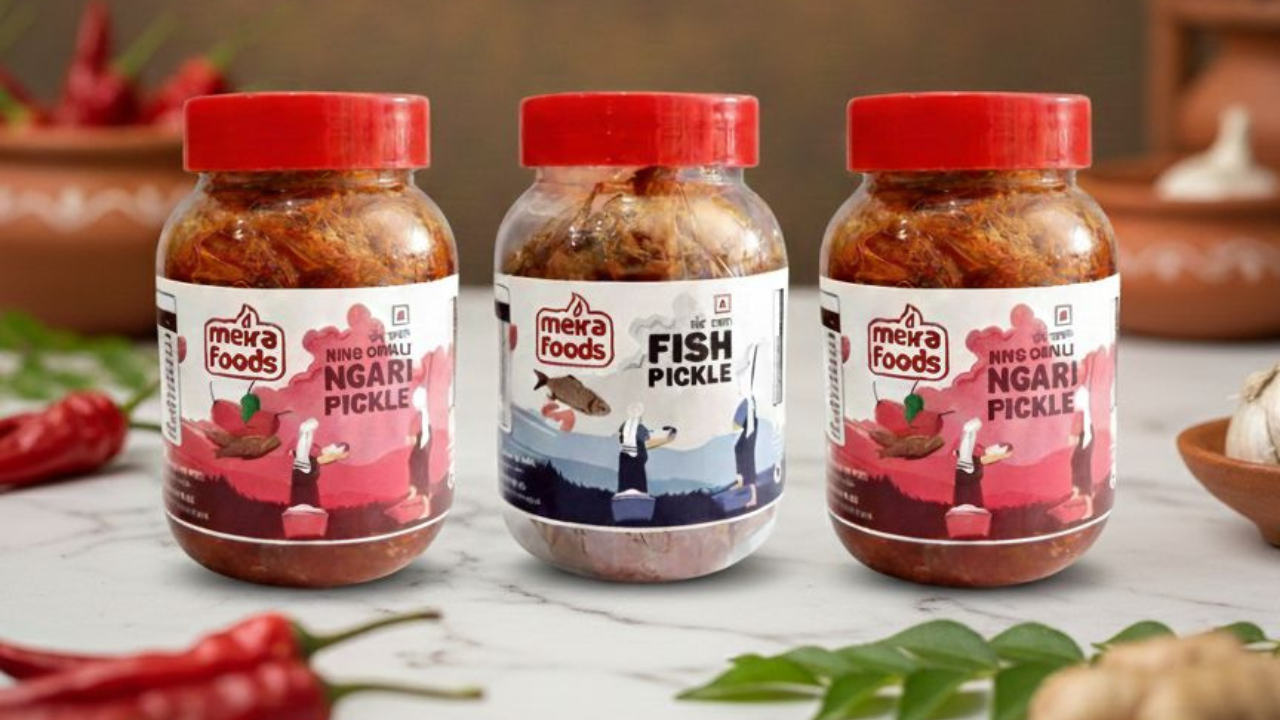
Every region has one ingredient that quietly defines its food culture.
In Kashmir, it is saffron. In Kerala, it is coconut. In Rajasthan, it is gram flour and dried spices. In Manipur, that ingredient is Ngari.
For generations, Ngari has been the backbone of Manipuri cooking. It is not an occasional delicacy or a festive ingredient. It is a part of everyday life. Families have cooked with it for centuries, passing recipes from one generation to the next. It adds depth to curries, enriches vegetable dishes, and gives traditional recipes the unmistakable flavour that people from Manipur instantly recognize.
Although it is deeply rooted in the state’s culinary heritage, Ngari is still unfamiliar to many people outside Northeast India. As interest in regional Indian cuisines continues to grow, more food lovers are beginning to discover this remarkable ingredient and the traditions that surround it.
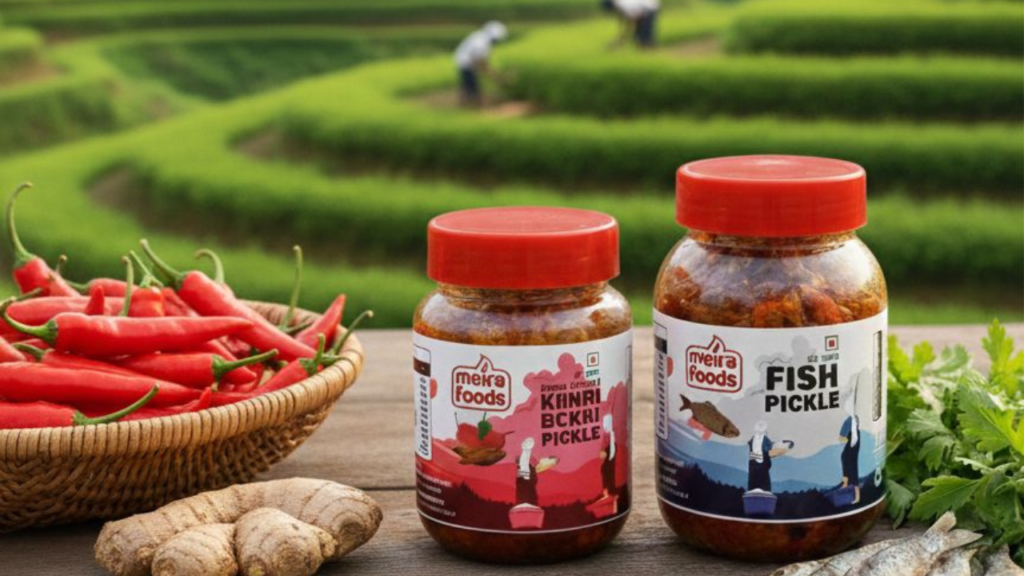
What Is Ngari?
Ngari is a traditional fermented fish made using freshwater fish that are cleaned, salted, and naturally fermented over time. The fermentation process develops a rich, savoury flavour that has become one of the defining characteristics of Manipuri cuisine.
Unlike many preserved foods, Ngari is not created to make fish taste stronger. Instead, fermentation transforms the fish into an ingredient that adds complexity, aroma, and depth to a variety of dishes.
Every household and community may have slight variations in preparation, but the philosophy remains the same. Patience, natural preservation, and respect for traditional methods create a product that has remained unchanged for generations.
Today, Ngari continues to represent the culinary identity of Manipur.
Why Is Ngari So Important in Manipuri Cooking?
To understand Manipuri food, it is impossible to ignore Ngari.
Many traditional recipes rely on its distinctive flavour rather than excessive oil or heavy spices. It works as a flavour enhancer, creating balance in dishes made with vegetables, herbs, bamboo shoots, leafy greens, and local chillies.
Its importance goes beyond taste.
Ngari reflects a way of cooking that values seasonal ingredients, minimal waste, and natural preservation techniques. Long before refrigeration became common, fermentation allowed families to preserve fish while developing flavours that eventually became central to the region’s cuisine.
Even today, many Manipuri households continue preparing recipes the way their grandparents did.
Ngari and Fish Pickle: What’s the Difference?
People often assume Ngari and fish pickle are the same thing, but they serve different purposes.
Ngari is primarily used as an ingredient in cooking. It is added to curries, stews, vegetables, and traditional dishes to create depth of flavour.
A fish pickle, on the other hand, is a ready-to-eat condiment. Fresh fish is cooked with aromatic spices, oil, and regional seasonings to create a pickle that pairs beautifully with rice, chapati, or snacks.
While they are different products, they share the same culinary roots.
Both celebrate the rich seafood traditions of Manipur and both highlight the region’s expertise in preserving ingredients while creating unforgettable flavours.
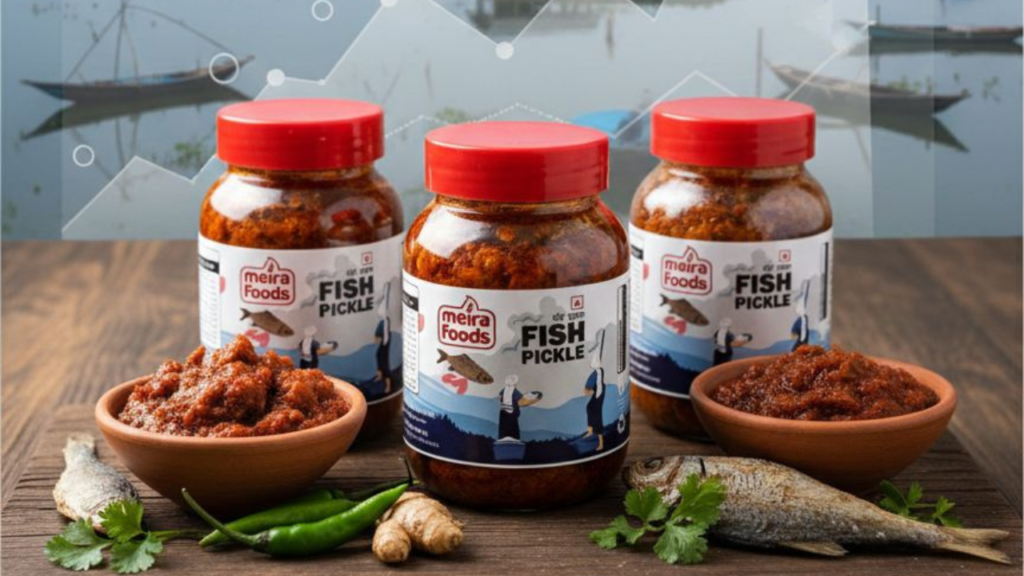
Why Manipuri Fish Pickle Is Different
Across India, every state has its own version of pickle.
What makes Manipuri fish pickle stand apart is the careful balance between spice, aroma, and freshness. Local ingredients play an important role, allowing the natural taste of the fish to remain at the centre of every bite.
Unlike heavily processed commercial pickles, traditional recipes are inspired by generations of home cooking. The emphasis is on creating harmony between ingredients rather than masking them.
This authentic approach has made fish pickle one of the most loved regional specialties from Northeast India.
As awareness of regional cuisines grows, more consumers are looking to buy fish pickle made using authentic recipes instead of mass-produced alternatives.
The Perfect Companion to Naga Chilli Pickle
One of the joys of Manipuri cuisine is the variety of flavours that can appear on a single plate.
Alongside fish pickle, another regional favourite is Naga chilli pickle.
Made using indigenous chilli varieties known for their bold flavour and natural heat, this pickle offers a completely different experience. While fish pickle delivers rich savoury notes, Naga chilli pickle brings vibrant spice that complements simple meals beautifully.
Together, they represent two distinct sides of Northeast India’s culinary heritage.
Many households enjoy having both on the dining table, choosing different flavours depending on the meal and the occasion.
Why Traditional Pickles Are Gaining Popularity
Indian consumers today are becoming more adventurous with food.
Instead of choosing only familiar flavours, people are exploring regional specialties that tell authentic stories.
This growing interest has brought renewed attention to traditional products from the Northeast. Fish pickles, bamboo shoot pickles, soybean pickles, and chilli pickles are now finding their way into kitchens far beyond Manipur.
Consumers are no longer looking only for spice.
They are looking for authenticity.
They want recipes with history.
They want ingredients that reflect the culture of a region rather than generic flavours.
That is why traditional Manipuri pickles continue to earn appreciation across the country.
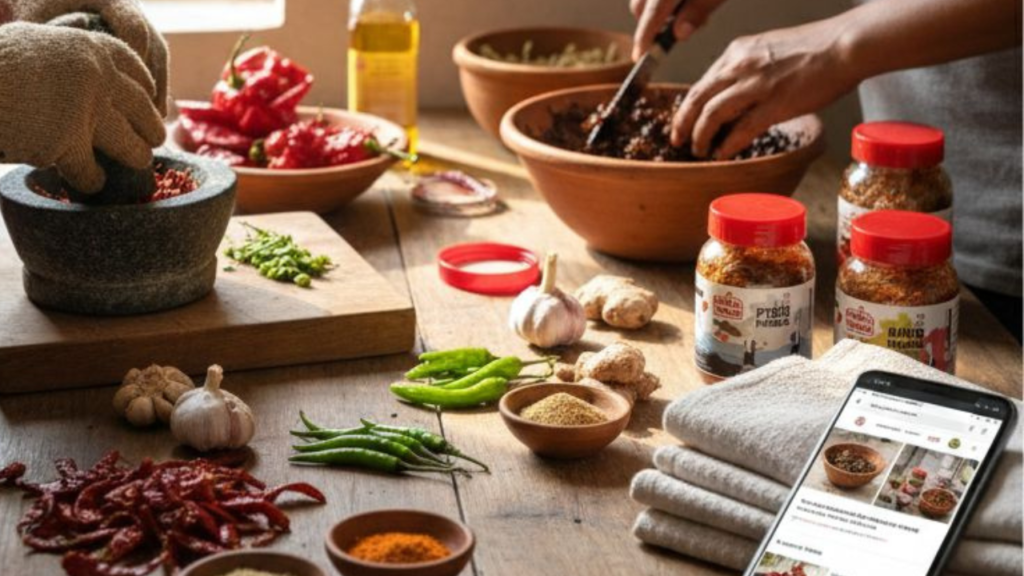
Bringing the Best Achar Taste of Manipur to Every Home
Food has always been one of the most meaningful ways to understand a place.
A single spoonful of pickle can introduce someone to generations of tradition, local farming, family recipes, and regional ingredients that rarely appear in mainstream Indian cuisine.
At Meira Foods, this philosophy guides every product.
Inspired by authentic Manipuri recipes, Meira Foods celebrates the flavours that have been enjoyed in the region for generations. Every jar reflects a commitment to preserving culinary heritage while making these unique tastes accessible to people across India.
Whether it is a rich fish pickle, a fiery chilli pickle, or another regional specialty, the goal remains the same. To bring the best achar taste of Manipur to every home without compromising on authenticity.
Conclusion
Ngari is much more than fermented fish.
It is a symbol of Manipur’s culinary heritage, representing centuries of knowledge, tradition, and respect for natural ingredients.
Its influence extends far beyond the dishes it flavours. It has shaped the region’s approach to preservation, inspired authentic pickles, and introduced generations to the bold, balanced flavours that make Manipuri cuisine so distinctive.
As more people discover Northeast India’s remarkable food culture, they are also discovering stories that have quietly existed for centuries.