Currently Empty: ₹0.00

Chak Hao Black Rice, a 2020 GI tagging ascertained product from North-East, India, is considered a supergrain as it is anthocyanin-rich, contains about 8.5–9g of plant-based protein per 100g, contains a higher ORAC value than blueberries, and has a lower glycemic impact than white rice.
Ceremonial feasts in Northeast India, relied on this grain for centuries. Now, Chak Hao Black Rice can be found in health-conscious kitchens and macro bowls. Chak Hao, which is thought to derive from the Meitei word for ”delicious rice,” truly deserves the supergrain label, as its exceptional nutritional profile has been backed by years of scientific research, and not marketing.
Why is this grain so special, and how does it compare nutritionally to the white rice that is the dominant staple in our kitchens? This article explores the health benefits and cultural value of Chak Hao rice and integrates it in cooking.
Why is Chak Hao Black Rice a Supergrain?
The term ”supergrain” is frequently misused and overused, but Chak Hao Black Rice has the right to this label, as its fibrous, antioxidant and protein-rich contents along with the essential minerals and low glycemic impact sets it apart from any other grain.
During the kharif season (June to October), Chak Hao is cultivated in wet and comes in two varieties, Chakhao Anubi and Chakhao Poireiton, the majority of which are grown without the use of agrochemical inputs. Due to low yields, Chak Hao has historically been expensive. Less intervention means that the bran layer is preserved, which retains much of the nutrient content.
Why Are the Anthocyanins in Chak Hao Black Rice So Powerful?
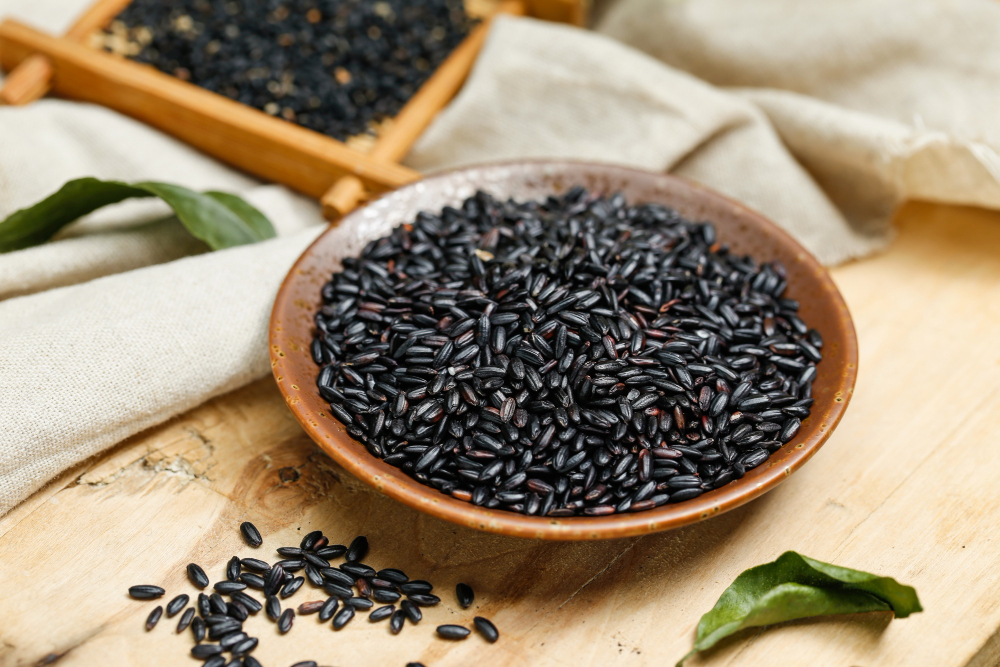
What hits you first when looking at Chak Hao is its color, which is a striking black color that seeps into cooking water. The color is indicative of its antioxidant content.
Anthocyanins, along with other antioxidants, are the flavonoids that give rice, as well as red cabbage, blueberries, and purple grapes, their color. Black rice bran extracts yield higher ORAC (Oxygen Radical Absorbance Capacity) values than blueberry extracts. It is therefore safe to say that Chak Hao Black Rice is a better antioxidant source than the other popular superfood.
In addition to their color, anthocyanins are also effective at combating free radicals and inflammation. All these along with their other effects are valuable in the treatment of chronic inflammation which has been shown to cause certain cancers, type 2 diabetes as well as cardiovascular diseases. This makes consumption of Chak Hao a good choice, and as opposed to white rice, the bran layer is preserved.
What is The Nutritional Comparison Between Chak Hao Black Rice and White Rice?
Chak Hao black rice is superior to white rice nutritionally. In every 100g serving, Chak Hao contains 8.5–9g of plant protein. White rice, on the other hand, only contains 6–7g. This difference is significant for vegetarians and individuals looking to diversify their protein sources.
Chak Hao also contains more fiber and the bran and germ layers of the rice help slow digestion and keeps you feeling full longer. White rice is milled and polished, and therefore devoid of the bran and germ layers and as such contains barely any fiber.
Minerally, Chak Hao provides:
-
- Iron (~23.34 mg per 100g) – helps transport oxygen and supports immune health
-
- Magnesium (~58.46 mg per 100g) – vital to more than 300 enzymes
-
- Calcium, manganese, and copper – together help strengthen bones and support connective tissues and antioxidant enzymes
-
- Vitamin E – a fat-soluble antioxidant that helps maintain skin and supports immune health
-
- B-complex vitamins – including niacin, which assist in the metabolism of cellular energy
-
- cellular energy metabolism
| Attribute | White Rice | Chak Hao Black Rice |
| Antioxidant Content | Negligible — bran removed during processing | High — anthocyanin-rich bran intact; ORAC value exceeds blueberries by weight (Journal of Food Science, 2010) |
| Protein (per 100g) | ~6–7g | ~8.5–9g |
| Fiber Profile | Low — bran stripped during milling | High — intact bran supports gut health and satiety |
| Glycemic Impact | High — rapid blood sugar spike | Lower — gradual glucose release due to intact bran |
| Iron Content | Low | ~23.34 mg per 100g |
| Magnesium Content | Low | ~58.46 mg per 100g |
| Flavor Profile | Neutral, soft, fluffy | Nutty, earthy, slightly sticky with natural aroma |
| Processing Level | Highly milled | Minimally processed |
| Gluten-Free | Yes | Yes |
What Are the Metabolic and Heart Health Benefits of Eating Chak Hao?
Because Chak Hao has its bran layer intact, starches in Chak Hao are also digested more slowly compared to refined white rice, and bran helps produce a less glycemic impact.
For those with Type 2 Diabetes, managing blood sugar and insulin sensitivity, Chak Hao may be a better option, though dietary changes should be made with a healthcare professional.
Reductions to LDL Cholesterol and an increase in HDL due to Chak Hao’s anthocyanins and fiber, combined with the presence of magnesium, which can help regulate blood pressure, contribute to reduced heart disease, and with Chak Hao Black Rice added to a balanced diet, this may be seen as a heart healthy rice option.
Gluten free and rich in other nutrients, Chak Hao is another option for gluten free people as a substitute grain.
What is the Cultural History Behind Chak Hao Black Rice?
Chak Hao has long been an honored grain in Mangol. Cultivated in the wetlands, it has been traditionally used in community celebrations, feasts, and births. Chak-Hao Kheer is a popular black rice pudding in the culture, and is also prepared for the first rice eating ceremony for infants, or Chakumba, as a wish for good health and fortune.
Kheer is not the only dish that showcases Chak Hao. Flour for flatbreads, snacks from puffed rice and jaggery, and a festive liquor are all made with this rice. Agricultural by-products are also used in thatched roofs with the husks made into organic manure. This promotes the circular economy and ecological stability.
The legacy of black rice is similar in other countries. In ancient China, this rice was considered to have healing properties and aid in one living longer. Therefore, it was reserved for the emperors and the royal court. It was illegal to grow or consume this rice for the commoners. This is where “Forbidden Rice” originated, and the name has stuck in the global food culture.
Chak Haowas awarded a Geographical Indication (GI) tag in 2020. It was the first time the Indian government awarded a rice variety with the tag to honor irreplaceable regional resources and products. The application for the GI was made by the Consortium of Producers of Chak-Hao with the support of the Department of Agriculture (Government of Manipur) and NERAMAC. The GI safeguards the rice’s cultural legacy, secures supply chains and the identity of the rice, and enables the farmers of Manipur to have a premium product in the international market.
How Do You Cook Chak Hao Black Rice Properly at Home?
Cooking Chak Hao is a simple and quick process, there is only one rule. This rice must be soaked in water for 30 minutes to 60 minutes before cooking. Soaking it this way helps soften the dense and fibrous bran layer. This also helps with even cooking. The soaking even helps the nutritional content of the rice.
Soaked Chak Hao rice needs a 2:1 water-to-rice ratio and 25 to 35 minutes on medium heat to achieve a tender grain with a satisfying bite. Uns soaked rice cooks for 45 to 55 minutes.
Though the rice absorbs most of the water, don’t throw it away. The dark purple water is full of anthocyanins. It keeps the rice’s color and its antioxidants.
The chewy, slightly sticky texture and earthy flavor of Chak Hao rice are versatile enough for many different foods.
Macro Bowls — add roasted veggies, tahini, and legumes for an incredibly nourishing meal.
Grain Salads — add cucumbers, pomegranate seeds, fresh herbs, and a lemon vinaigrette.
Savory Dishes — holds its own in a stir-fry, stuffed peppers, or with a curry.
Chak-Hao Kheer — a traditional dish of rice cooked in coconut milk with cardamom and jaggery.
A Grain Backed by Science, Rooted in Tradition
Chak Hao Black Rice’s reputation is well deserved. It is packed full of antioxidants. It is rich in protein and fiber. It is low on the glycemic index. Also, it has a long history of cultivation and practice of responsible farming.
Chak Hao Black Rice is one of the best options for anyone who wants to create nourishing meals with unique and culturally connected ingredients. Try some easy grain bowls to start. You’ll be eating the kheer in no time. The nutrition speaks for itself.