
Currently Empty: ₹0.00

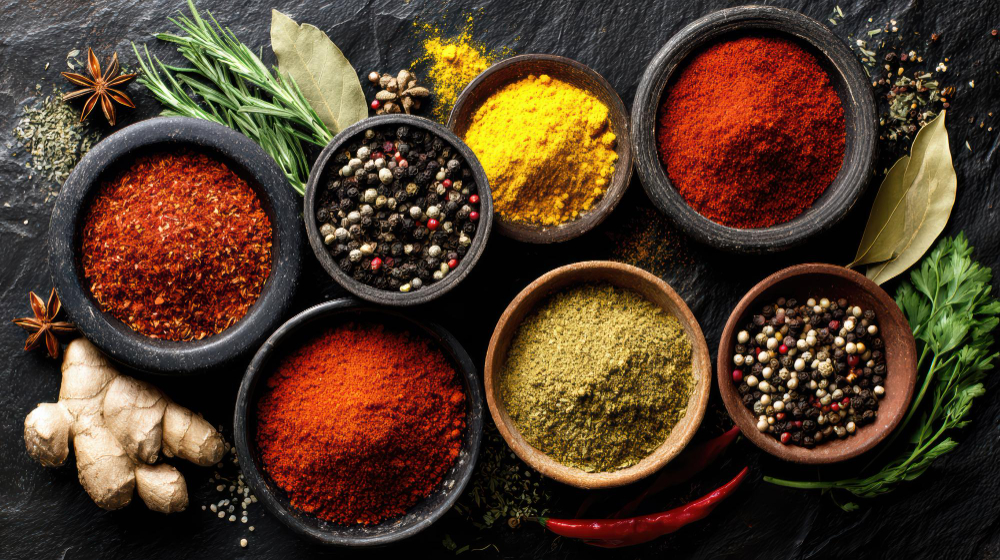
If you’ve spent any time exploring Indian food beyond the usual butter chicken and biryani circuit, you’ve probably noticed that most “Indian cuisine” guides barely mention the Northeast at all. That’s a genuine loss, because Manipuri food in particular works on a completely different flavor logic than what most people associate with Indian cooking. There’s less reliance on heavy spice blends and cream-based gravies, and a lot more emphasis on fermentation, smoke, and clean, distinct flavors that don’t hide behind layers of masala. If you’re new to it, this is worth approaching with an open mind, because a lot of what makes Manipuri food special only makes sense once you understand the philosophy behind it.
The Basic Philosophy Behind Manipuri Cooking
Manipuri food doesn’t chase complexity through spice quantity the way a lot of North Indian curries do. Instead, it leans heavily on a smaller number of ingredients, each one allowed to actually taste like itself. Fermentation plays an enormous role here, both for preservation and flavor, since fresh vegetables and fish don’t always keep well in the humid climate of the region. Bamboo shoot, fermented soybean known locally as hawaijar, and various pickled preparations all trace back to this same practical need — keeping food edible through the year while also developing entirely new flavors along the way.
There’s also a much lighter hand with oil compared to other regional Indian cuisines. A lot of traditional Manipuri dishes are boiled, steamed, or lightly sautéed rather than deep-fried or simmered for hours in oil-heavy gravies. This makes the food feel noticeably different on the palate — cleaner, sharper, and often more sour or tangy than the rich, heavy dishes people expect from Indian cooking generally.
Rice as the Foundation of Every Meal
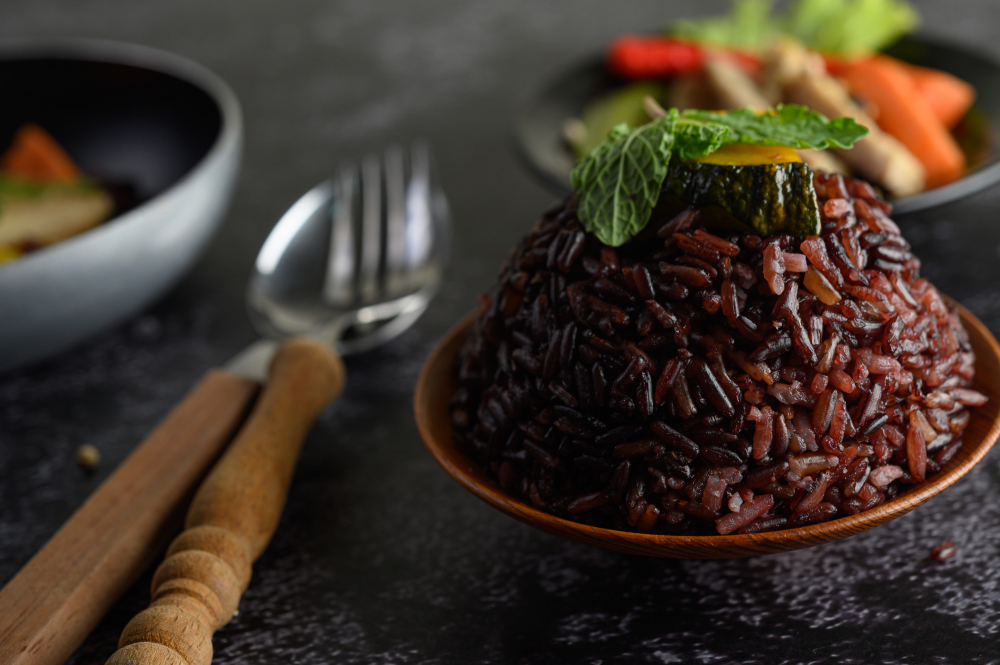
Rice sits at the absolute center of Manipuri cuisine, the same way it does across most of Southeast and East Asia, and this isn’t limited to just plain white rice. One variety worth specifically seeking out if you’re new to this cuisine is Organic Black Rice, sometimes called Chak-Hao in the local Meitei language, which has been grown in Manipur for centuries and holds a genuinely important place in the region’s food culture.
This rice has a deep purplish-black color when raw, turning a rich purple once cooked, and it carries a naturally sweet, slightly nutty flavor that’s noticeably different from regular white rice. It’s traditionally used to make a dessert called Chak-Hao Kheer, a rice pudding that gets its striking color entirely from the rice itself rather than any added coloring. Beyond dessert, black rice also shows up in savory preparations, and its higher antioxidant content compared to regular rice has made it increasingly popular outside the region too, as more people discover it. If you’re trying Manipuri food for the first time, starting with this rice gives you an immediate sense of how different the region’s staples are from what most of India eats daily.
Fermentation: The Backbone of Flavor
It’s genuinely hard to talk about Manipuri food without circling back to fermentation constantly, because it touches nearly everything. Hawaijar, the fermented soybean mentioned earlier, has a pungent, almost cheese-like aroma that can be intense for newcomers but adds incredible depth once you’re used to it, often used in simple vegetable preparations to give them a savory, umami backbone.
Fermented fish and bamboo shoot follow the same logic, transforming otherwise simple ingredients into something with much more complexity than their raw form would suggest. This is also where pickles come into the picture in a big way. Unlike pickles in many other parts of India that lean heavily on oil and vinegar for preservation, a lot of traditional Manipur achar relies on fermentation itself as the primary preserving method, with salt and time doing most of the work rather than large quantities of oil.
These traditional achars often incorporate local ingredients that don’t show up much elsewhere — things like fermented bamboo shoot, local herbs, or specific chili varieties grown only in the region. The result is a pickle that tastes distinctly different from what you’d find in Punjab or Gujarat, sourer and sharper rather than oily and heavily spiced.
The Chili That Changes Everything
No conversation about Manipuri and broader Northeast Indian food is complete without mentioning the region’s most famous, and most feared, ingredient. Bhut jolokia, more commonly known outside the region as ghost pepper, originated in this part of India and held the world record for hottest chili for years before newer cultivated varieties eventually surpassed it in lab testing.
This chili isn’t used casually the way regular green or red chilies are elsewhere in Indian cooking. Its heat is intense enough that even experienced cooks handle it with real caution, often using just a tiny piece to flavor an entire dish rather than treating it as a bulk ingredient. One of the most popular and approachable ways to actually experience this chili’s flavor, without the risk of completely overwhelming your palate, is through a well-made bhoot jolokia pickle, where fermentation and oil work together to balance out the raw intensity just enough to make it enjoyable in small spoonful alongside rice or dal.
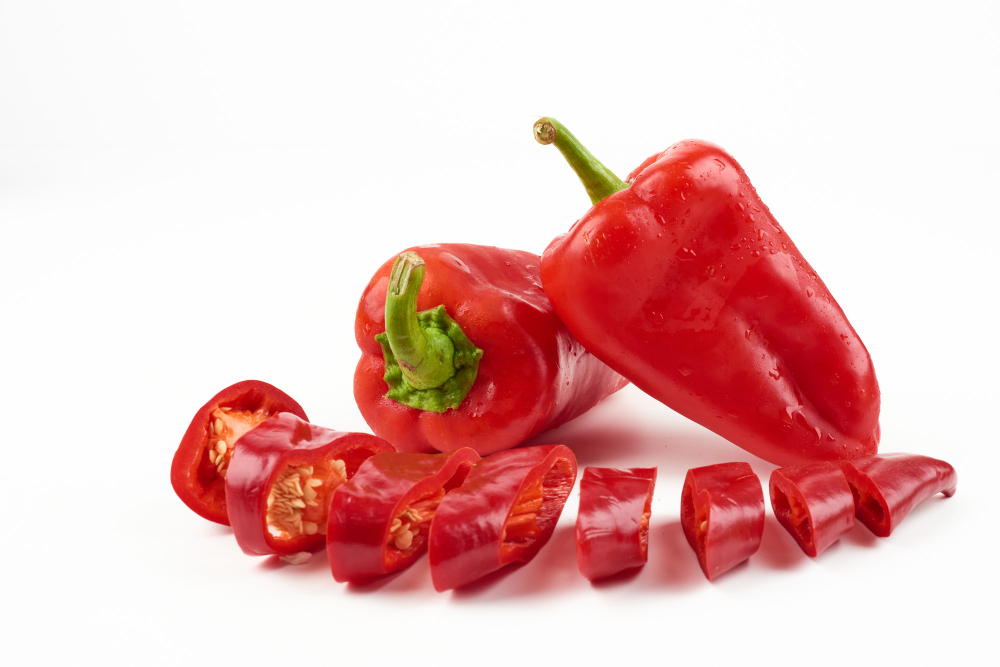
If you’re trying this for the first time, go in with realistic expectations about the heat level, and start with genuinely tiny amounts. It’s meant to be respected rather than casually piled onto your plate the way you might with a milder pickle.
Key Dishes Worth Trying First
For anyone genuinely new to this cuisine, a few dishes make good starting points before diving into more complex or acquired-taste preparations. Eromba, a mashed vegetable and fermented fish dish, gives a good introduction to how fermentation shapes flavor without being overwhelming, since the vegetables balance out the fish’s intensity. Chamthong, a light vegetable stew usually made without much oil, shows off the cuisine’s cleaner, less heavy side, and works well alongside plain rice.
Once you’re comfortable with those, moving toward dishes that incorporate hawaijar or bamboo shoot more heavily gives a fuller picture of what makes this food distinct. And trying at least a small amount of a properly made local achar, whether it’s a milder vegetable-based one or something built around bhut jolokia, rounds out the experience by showing how pickling and fermentation work as an everyday part of the meal rather than just an occasional side note.
Why This Cuisine Deserves More Attention
Manipuri food, and Northeast Indian cuisine more broadly, often gets overlooked in conversations about Indian food simply because it doesn’t match the expectations most people have built around Indian cooking from restaurant menus and popular recipes. There’s less reliance on cream, less deep frying, and a much stronger emphasis on fermentation and clean, distinct flavors that don’t always announce themselves loudly the way a rich butter-based curry does.
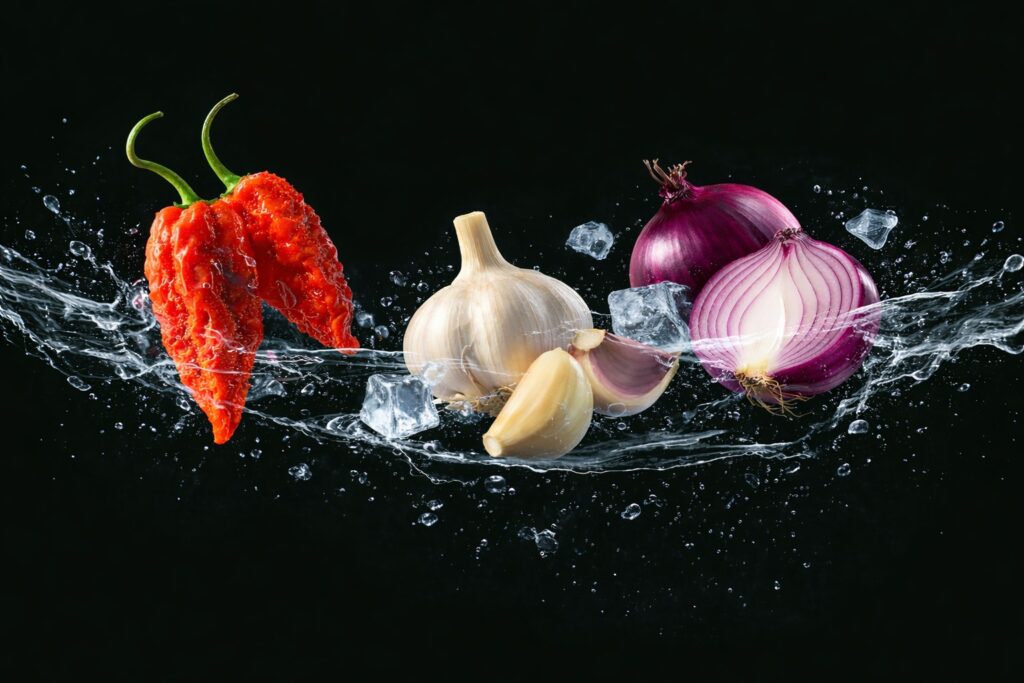
That subtlety is exactly what makes it worth exploring, though. Once you understand the logic behind fermented ingredients, the importance of rice varieties like black rice, and the careful, respectful use of intense chilies like bhut jolokia, the cuisine starts to make a lot more sense, and honestly becomes a lot more enjoyable to explore further.
Getting into Manipuri cuisine for the first time works best if you let go of expectations built around more commonly known regional Indian food. This is a cuisine built on fermentation, restraint with oil, and ingredients that carry their own strong, distinct personalities rather than being buried under heavy spice blends. Start with something approachable like black rice or a mild achar, work your way toward fermented dishes as your palate adjusts, and eventually you’ll find yourself appreciating just how much depth and tradition sits behind every element on a Manipuri plate.