
Currently Empty: ₹0.00

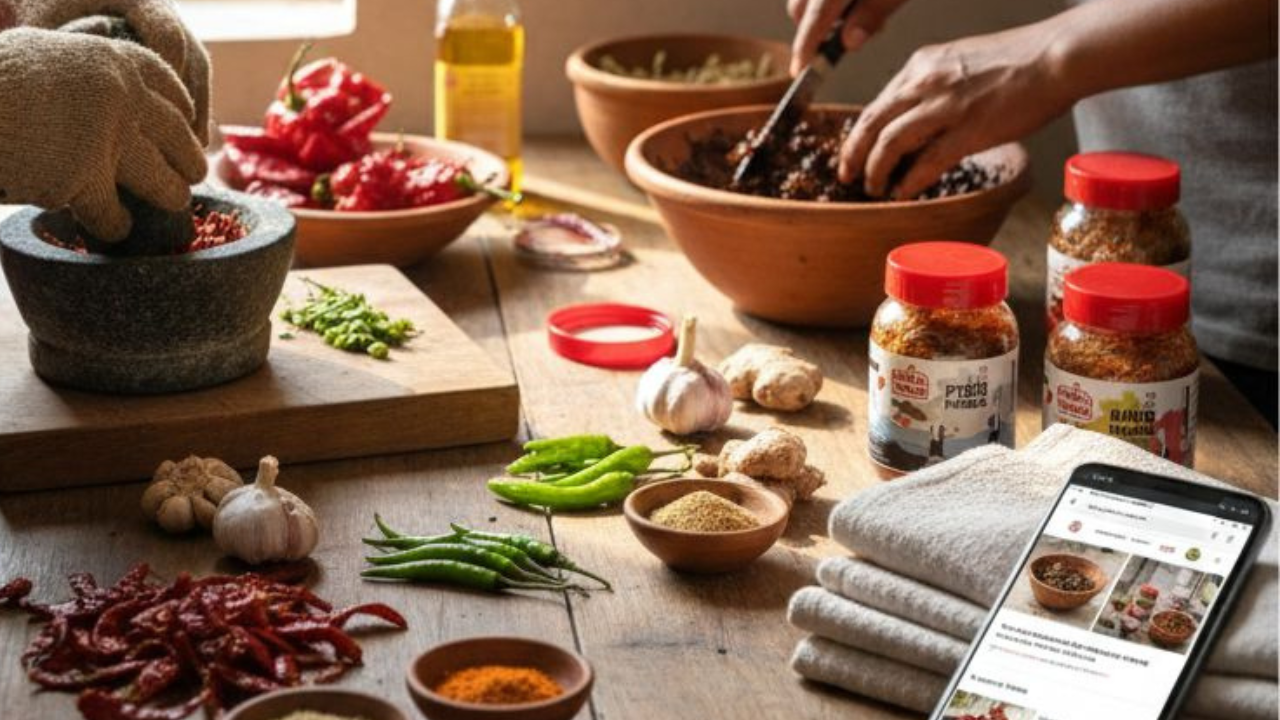
Somewhere in the last decade, gut health went from a niche wellness topic to something everyone seems to have an opinion on. Probiotics, fermented foods, kombucha, kimchi — all of it gets thrown around constantly now, usually alongside claims about better digestion, stronger immunity, and even improved mood. Pickles, oddly enough, tend to get lumped into this conversation without much nuance, and the truth is a lot more complicated than “pickles are good for you” or “pickles are just salty junk food.” The real answer depends almost entirely on how the pickle was actually made, and that distinction matters more than most people realize.
Not All Pickles Are Created Equal
This is really the crux of the whole conversation. When people ask whether pickles are good for gut health, they’re usually picturing two very different things without realizing it. On one end, you’ve got mass-produced, vinegar-based pickles that are pasteurized for shelf stability, loaded with preservatives, and designed to sit on a supermarket shelf for months without refrigeration. On the other end, you’ve got genuinely traditional, fermented pickles made using salt, time, and naturally occurring bacteria, without any pasteurization step that would kill off the live cultures.
These two categories behave completely differently once they hit your gut. Vinegar-pickled, pasteurized products might still taste tangy and pickle-like, but they don’t carry live bacterial cultures, which means whatever gut health benefits people associate with fermented food simply don’t apply to them. A traditional achar, on the other hand, made the way households have been making it for generations, using natural fermentation rather than shortcuts, is a genuinely different product nutritionally, even if it looks similar sitting in a jar.
What Fermentation Actually Does for Your Gut
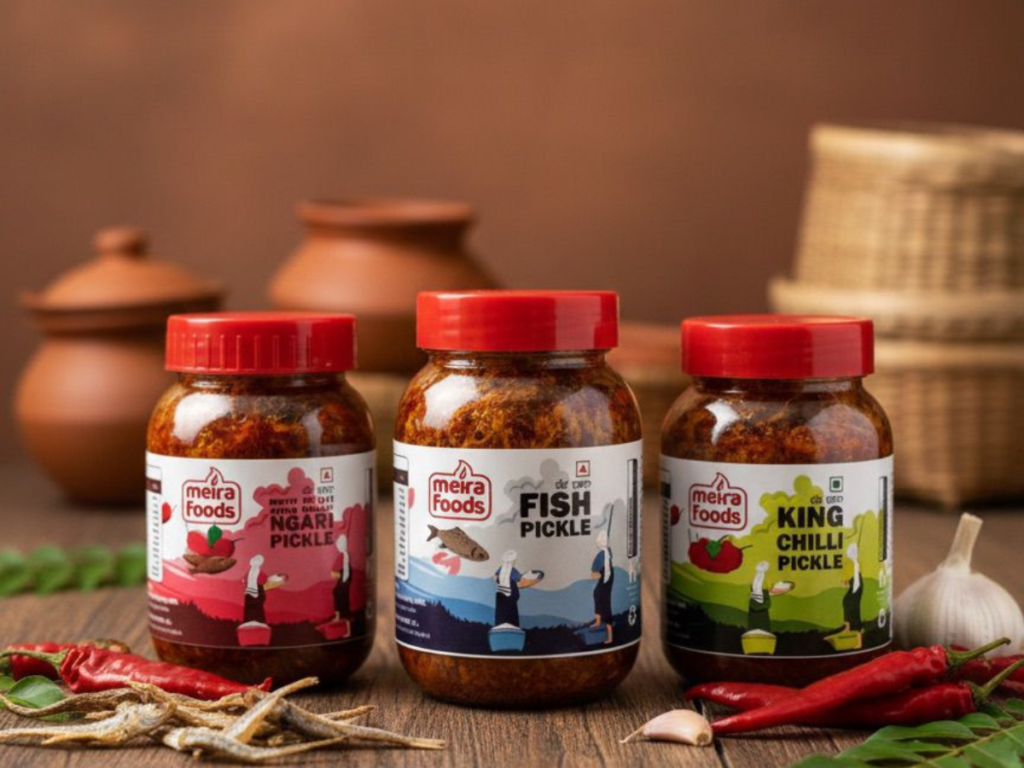
Real fermentation relies on lactic acid bacteria, the same broad family of bacteria involved in yogurt, kimchi, and sauerkraut. These bacteria consume natural sugars in the vegetables and produce lactic acid as a byproduct, which is what gives fermented pickles their distinctive sour tang, separate from the sharper, more one-dimensional sourness of vinegar.
As these bacteria multiply during fermentation, they don’t just flavor the food — they become part of it. When you eat a properly fermented pickle, you’re introducing live bacterial cultures into your digestive system, similar to what happens when you eat yogurt with active cultures. These bacteria can contribute to the diversity of your gut microbiome, and a more diverse microbiome has been associated in research with better digestion, stronger immune response, and even some connections to mental health through what’s often called the gut-brain axis.
Beyond the bacteria themselves, fermentation also makes existing nutrients in the vegetables easier for your body to absorb. The fermentation process breaks down certain plant compounds that would otherwise make minerals like iron, zinc, and calcium harder to absorb, essentially unlocking nutritional value that was always present in the ingredients but wasn’t as accessible before fermentation happened.
Where Salt and Oil Fit Into the Picture
It’s worth being honest here, since pickles do come with some legitimate caveats. Most traditional pickles, fermented or not, rely on a fair amount of salt, both for flavor and as part of the preservation process itself. Salt actually plays a functional role in fermentation, helping to suppress harmful bacteria while allowing beneficial lactic acid bacteria to thrive, but it does mean pickles aren’t something to eat in large quantities if you’re watching your sodium intake for health reasons.
Oil-based pickles, common across much of India, add another consideration. The oil itself isn’t inherently bad, and in fact helps preserve the pickle over long periods, but it does mean these pickles are calorically denser than something like a Korean-style fermented vegetable dish that relies purely on brine. This doesn’t cancel out the benefits of genuine fermentation, but it’s a reason pickles work best as a smaller side addition to a meal rather than something eaten in large portions regularly.
Authentic vs Mass-Produced: Why the Difference Matters So Much
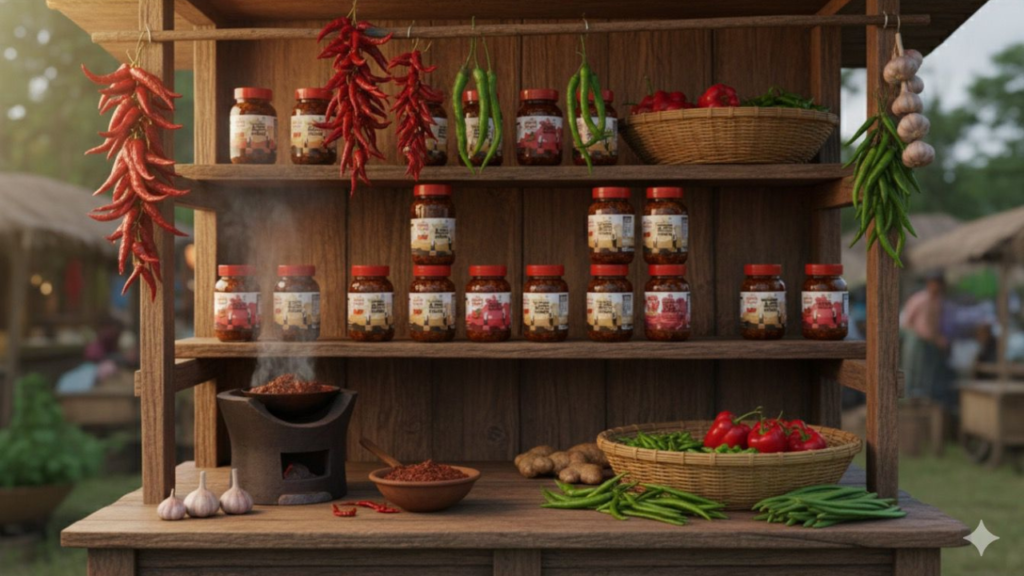
This distinction keeps coming up because it genuinely changes the entire conversation. Authentic pickles, made using time-tested fermentation methods rather than industrial shortcuts, retain live cultures because there’s no reason to sterilize them the way mass-market products are sterilized for extended shelf stability at scale. A small-batch, traditionally made pickle might have a shorter shelf life and need refrigeration sooner, but that shorter shelf life is actually a sign that the beneficial bacteria are still alive and active inside the jar.
Mass-produced alternatives prioritize consistency and long shelf life above almost everything else, which usually means pasteurization, which in turn means killing off the exact bacterial cultures that would have provided gut health benefits in the first place. What you’re left with might still taste like a pickle and might even use similar spices, but nutritionally, it’s closer to a flavored vegetable in brine than a genuine fermented food.
Regional Traditions Worth Paying Attention To
India has no shortage of fermentation traditions, but some regions lean into it more heavily than others, and it’s worth understanding these differences if you’re specifically looking for gut-health benefits rather than just flavor. Northeast India, in particular, has an especially strong fermentation culture that differs quite a bit from the oil-heavy pickling traditions found in other parts of the country.
An authentic North East achar typically uses far less oil than pickles from other regions, relying instead on salt, natural fermentation time, and often distinctive local ingredients like bamboo shoot or specific chili varieties to build flavor. Because these pickles depend less on oil as a preservative, the fermentation process itself carries more of the weight, which often means a higher concentration of live bacterial cultures compared to oil-heavy alternatives elsewhere. If gut health is genuinely your priority rather than just flavor, this kind of pickle tends to be a better bet, simply because fermentation is doing more of the actual preservation and flavor-building work.
How Much Pickle Is Actually Useful
Even with genuinely fermented, bacteria-rich pickles, moderation still matters. A small spoonful alongside a meal is generally enough to get some benefit from the live cultures without overloading on sodium. Eating pickles as an occasional side addition, rather than a primary food group, keeps the salt and oil content in reasonable proportion to whatever gut health benefit you’re getting from the fermentation itself.
It’s also worth remembering that fermented pickles are just one piece of a much larger picture when it comes to gut health. Diverse fiber intake, adequate hydration, and a variety of other fermented foods like yogurt or curd all contribute alongside pickles rather than pickles doing all the work on their own. Thinking of pickles as one supporting player in a broader approach to gut health, rather than a magic solution on their own, is a more realistic way to think about where they fit into your diet.
Summary
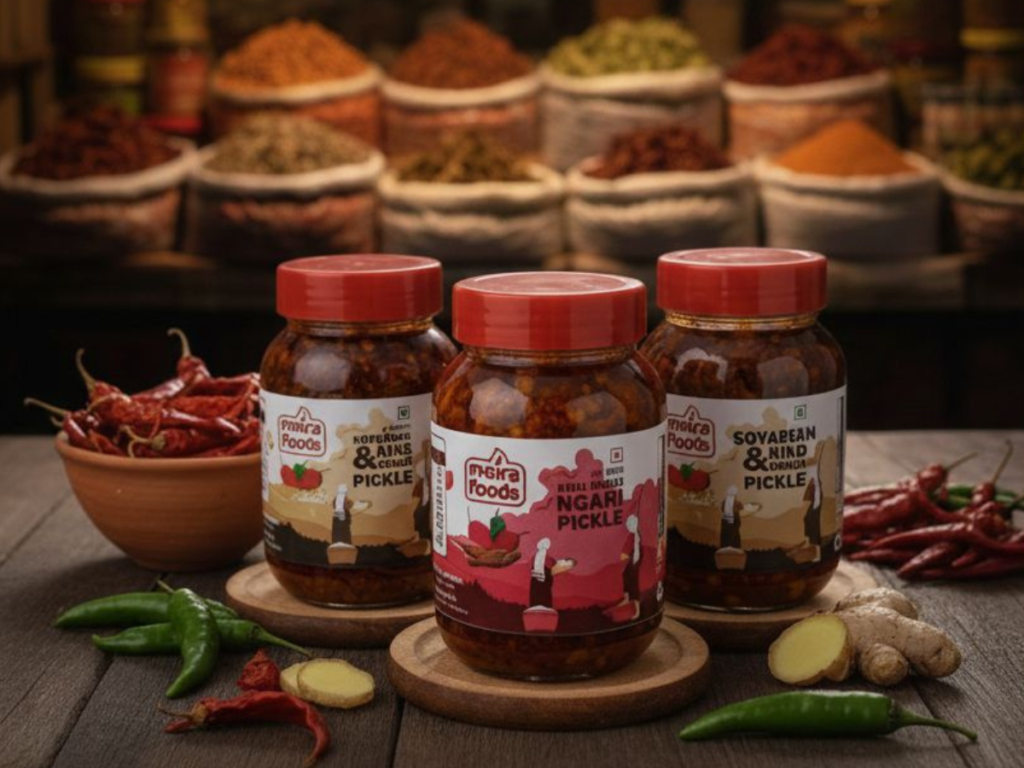
So, are pickles good for gut health? The honest answer is: it depends entirely on what kind of pickle you’re actually eating. A mass-produced, vinegar-based, pasteurized pickle sitting on a supermarket shelf for months isn’t doing much for your microbiome, no matter how authentic the label claims it is. But a genuinely traditional, naturally fermented pickle, made the way households have made it for generations without pasteurization shortcuts, can genuinely support gut health through live bacterial cultures and improved nutrient absorption. If you’re seeking real benefits rather than just flavor, seeking out properly made traditional achar, especially fermentation-forward styles like those from Northeast India, is a much better bet than whatever’s cheapest and most convenient on the shelf.