
Currently Empty: ₹0.00

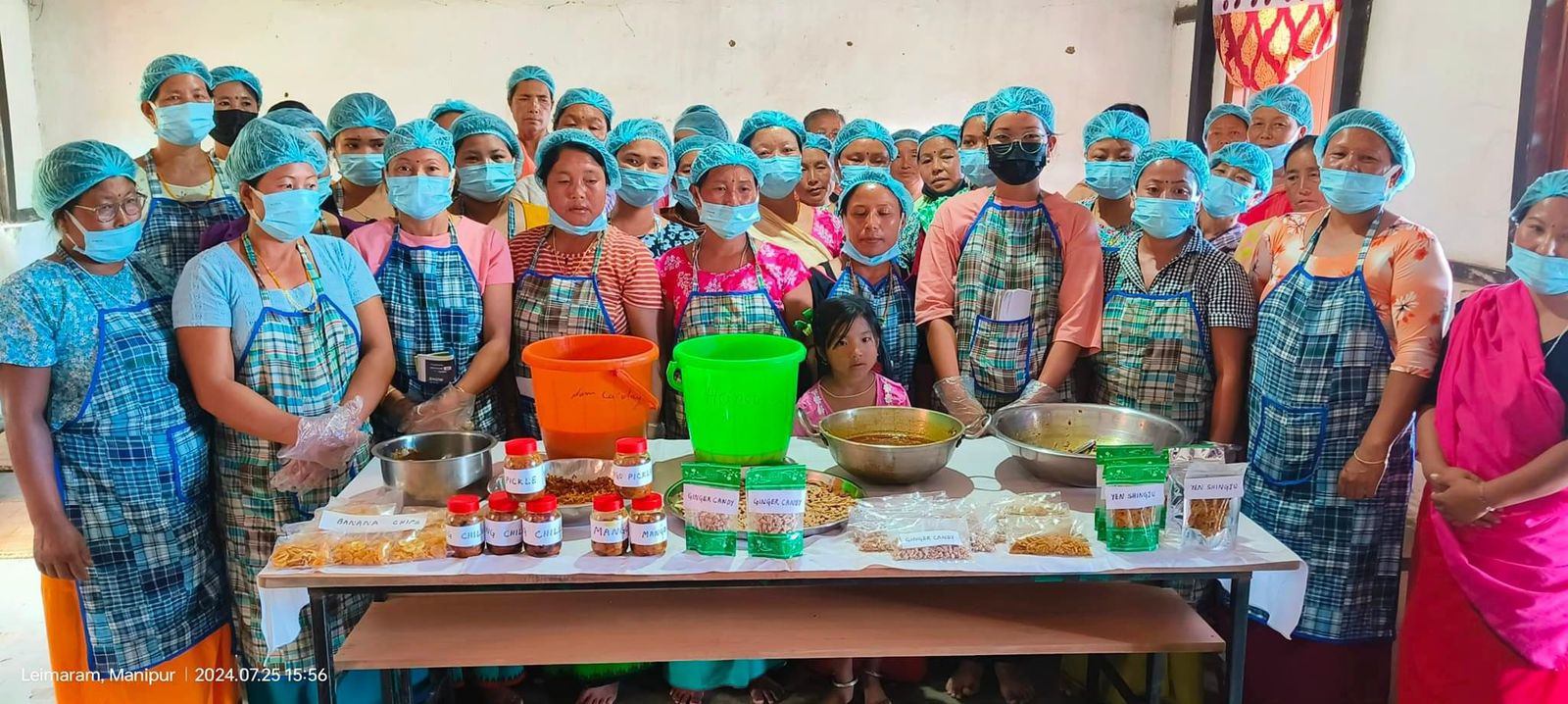
North East India is rapidly transforming from a region of untapped agricultural potential into a bustling hub of green innovation and culinary enterprise. At the heart of this vibrant transformation is Manipur, a state blessed with fertile soil, rare indigenous crops, and a rich heritage of traditional preservation techniques.
Today, a dynamic wave of grassroots creators—or foodpreneurs—is stepping up. They are moving away from raw material exploitation and leaning heavily into advanced food processing, value addition, and sustainable brand creation. By building innovative food business startups in Manipur, these visionary entrepreneurs are not only introducing unique northeastern flavors to global palates but are also paving self-reliant pathways for local communities.
The Landscape of Food Processing in Manipur
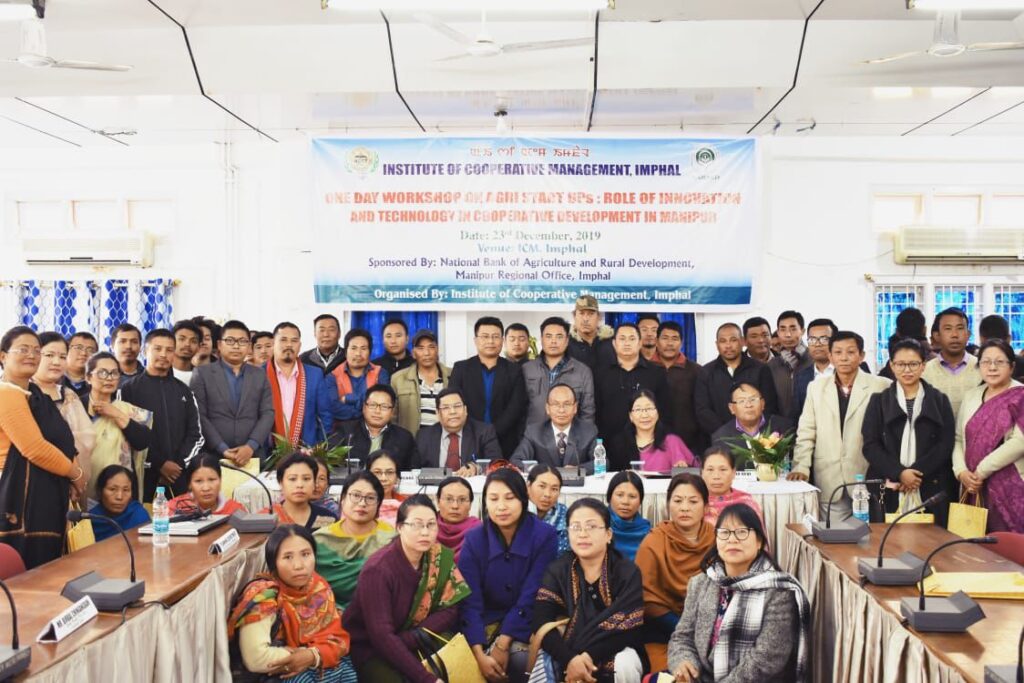
For generations, the lack of modern cold chains, post-harvest infrastructure, and proper storage networks meant that a staggering percentage of Manipur’s fresh produce went to waste. However, the ecosystem has experienced an immense shift. Central and state initiatives—such as the Pradhan Mantri Formalisation of Micro Food Processing Enterprises (PM FME) scheme and the promotion of “One District One Product” (ODOP) clusters—have provided the financial and technical backing necessary to change the narrative.
Food processing in Manipur has successfully bridged the gap between organic tribal farms and consumer retail shelves. The state boasts an incredible biodiversity of crops that are naturally organic, nutritionally dense, and globally highly sought after:
- Chak-Hao (Organic Black Rice): A highly aromatic, anthocyanin-rich superfood with a deep purple hue and powerful antioxidant properties.
- Kachai Lemon: A unique variety of lemon grown in Ukhrul district, known for its exceptionally high vitamin C content.
- Yongchak (Tree Bean/Monkey Bean): A beloved regional staple used extensively in local dishes and traditional pickles.
- Wild Berries and Bamboo Shoots: Naturally abundant forest produce that serves as an excellent base for healthy snacks, preserves, and gourmet condiments.
By learning to dry, ferment, extract, and preserve these distinct ingredients safely, local foodpreneurs are turning seasonal surpluses into high-margin, shelf-stable consumer products.
Spotlight on Inspiring Foodpreneurs from Manipur
The growth of the local agro-economy relies heavily on individual resilience. The journeys of these standout innovators illustrate how a foodpreneur in Manipur can turn modest, home-grown experiments into highly successful, community-uplifting businesses.
Market Dynamics: Traditional vs. Processed Innovations
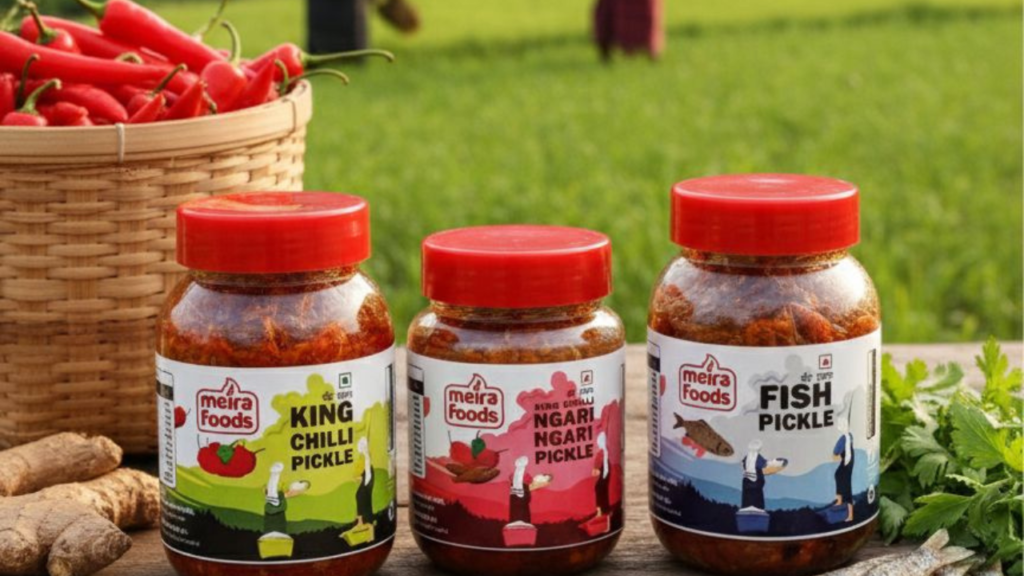
The success of these businesses lies in their ability to transition indigenous culinary staples into structured, shelf-stable formats. The table below outlines how traditional raw products are being reimagined through processing:
| Raw Agricultural Resource | Traditional Local Use | Modern Value-Added Innovation | Primary Consumer Benefit |
| Chak-Hao (Black Rice) | Festive porridge (Kheer) | Chakhao Gulla, health flours, baked goods | High antioxidants, low glycemic index |
| Kachai Lemon | Raw juice, simple table pickles | Premium squashes, concentrated extracts | Exceptionally high Vitamin C, long shelf-life |
| Wild Berries / Gooseberries | Raw consumption, sun-drying | Gourmet candies, organic jams, fruit leather | Preserved nutrition, reduced post-harvest waste |
| King Chilli / Umorok | Fresh side dishes, local chutneys | Infused oils, fine spice powders, export pastes | Controlled heat profile, reliable supply chain |
The Road Ahead for Manipur’s Food Startups
While the achievements of these foodpreneurs are highly inspiring, scaling a food business startup in Manipur still presents unique structural challenges. The landlocked geography of North East India means that interstate logistics can be expensive, and packaging materials often have to be shipped in from distant manufacturing hubs.
To bypass these hurdles, the new wave of foodpreneurs is embracing a digital-first approach. By utilizing social media platforms like Instagram and Facebook for direct-to-consumer (D2C) marketing, and listing products on regional e-commerce marketplaces, startups are reaching metropolitan consumers who are willing to pay a premium for clean, organic, and rare food profiles.
Furthermore, moving toward automated packaging and standardizing nutritional labeling will allow these brands to easily clear international export hurdles. The proximity of Manipur to Southeast Asian borders via the Act East Policy offers a natural geographic corridor for future international trade.
The Takeaway: The rise of foodpreneurs from North East India represents a beautiful intersection of cultural pride and smart economics. By taking ownership of food processing in Manipur, these entrepreneurs are keeping the financial rewards of their rich agricultural heritage exactly where they belong: inside the local communities. Their journey demonstrates that with regional resourcefulness, collaborative backing, and deep resilience, even the smallest rural startup can build a lasting, flavorful footprint on the national stage.